Explore 9 AI scribe adoption statistics for 2026, including physician use, documentation trends, burnout reduction, time savings, and global adoption rates.

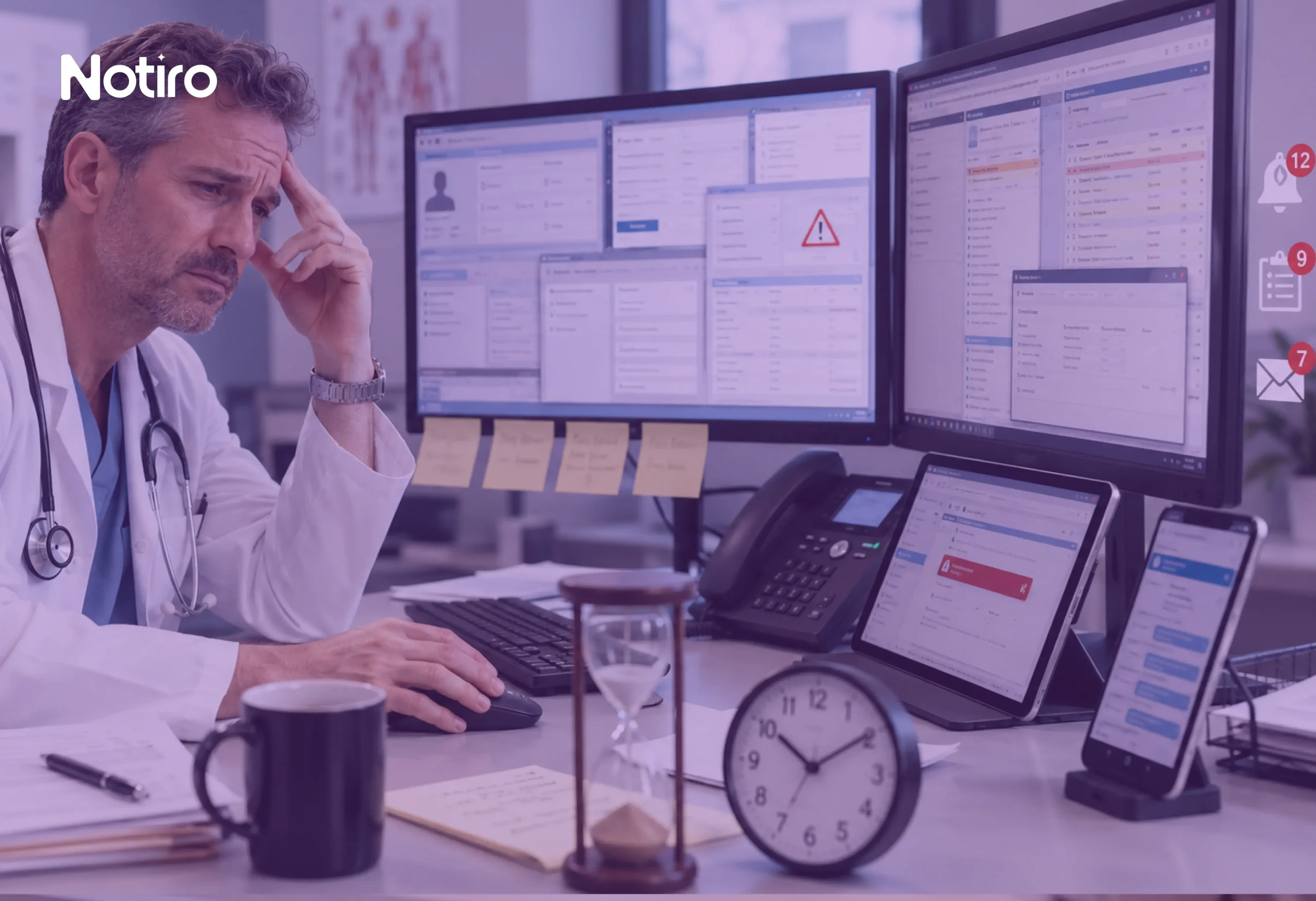
Discover top EHR integration mistakes that cost physicians time and learn how smarter EHR data integration improves healthcare workflows.

Reduce clinician burnout in underserved communities. Discover how AI documentation reclaims hours, improves health equity, and sustains physician careers.

Discover the best EHR systems for small practices in 2026 and see how Notiro AI simplifies documentation with smarter clinical workflows.

Explore 5 key questions healthcare organisations should ask before adopting a clinical AI extension for documentation, EHR integration, and workflows.
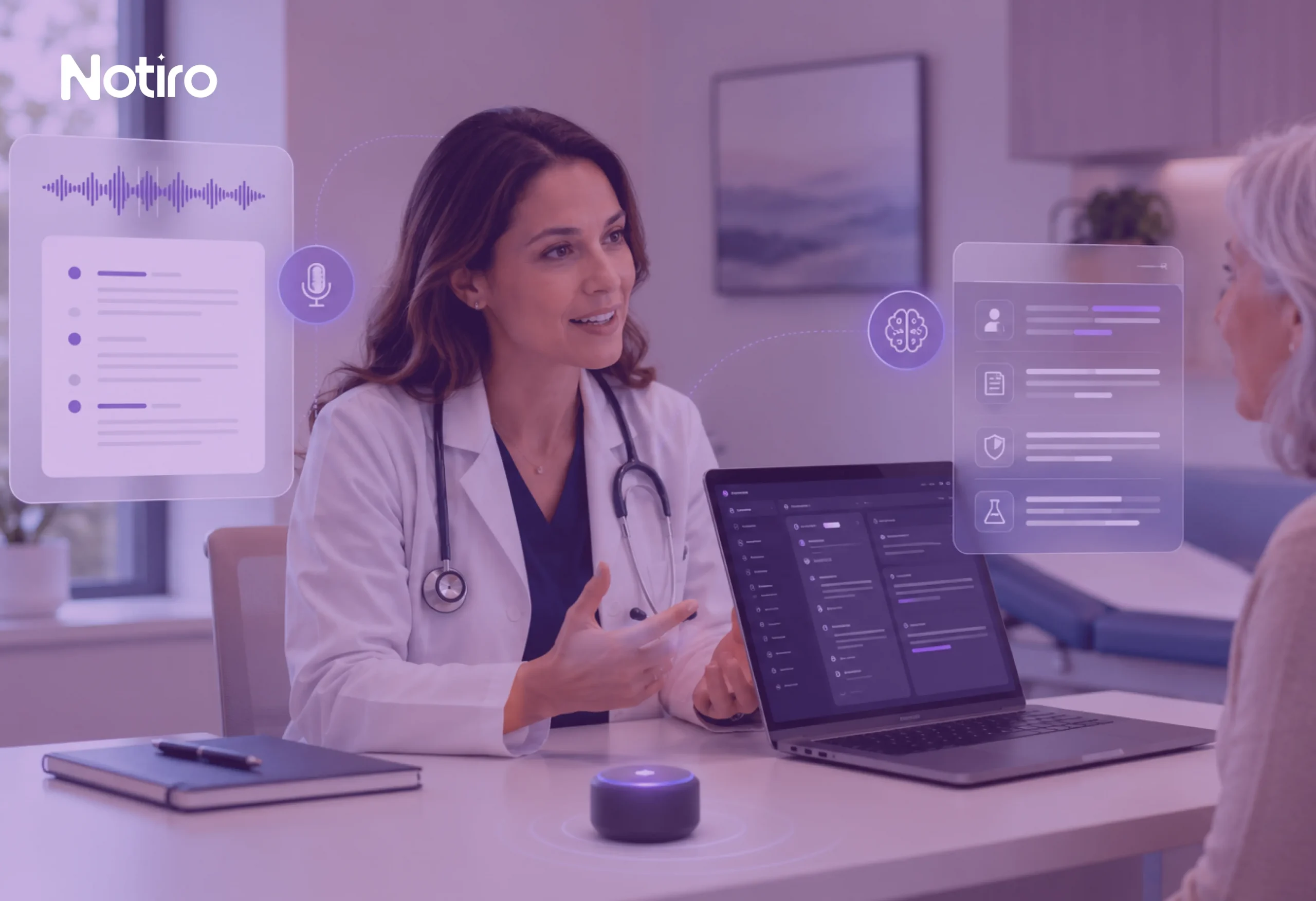
Discover how Notiro Scribe and the Notiro Extension improve clinical documentation with AI medical scribe technology for smarter healthcare workflows.

Learn how providers use historical chart data to close quality measure gaps, improve documentation, reduce errors and make smart clinical decisions with AI.
Discover why quality measure documentation gets missed and how AI-powered workflows can help healthcare teams catch gaps, save time, and reduce errors fast.

Responsible AI in healthcare means balancing automation with clinical judgment, not replacing it. See how AI oversight and physician judgment work together.

See how AI-assisted documentation helps physicians reduce chart search time, streamline EHR workflows, cut errors, and make better-informed decisions today.
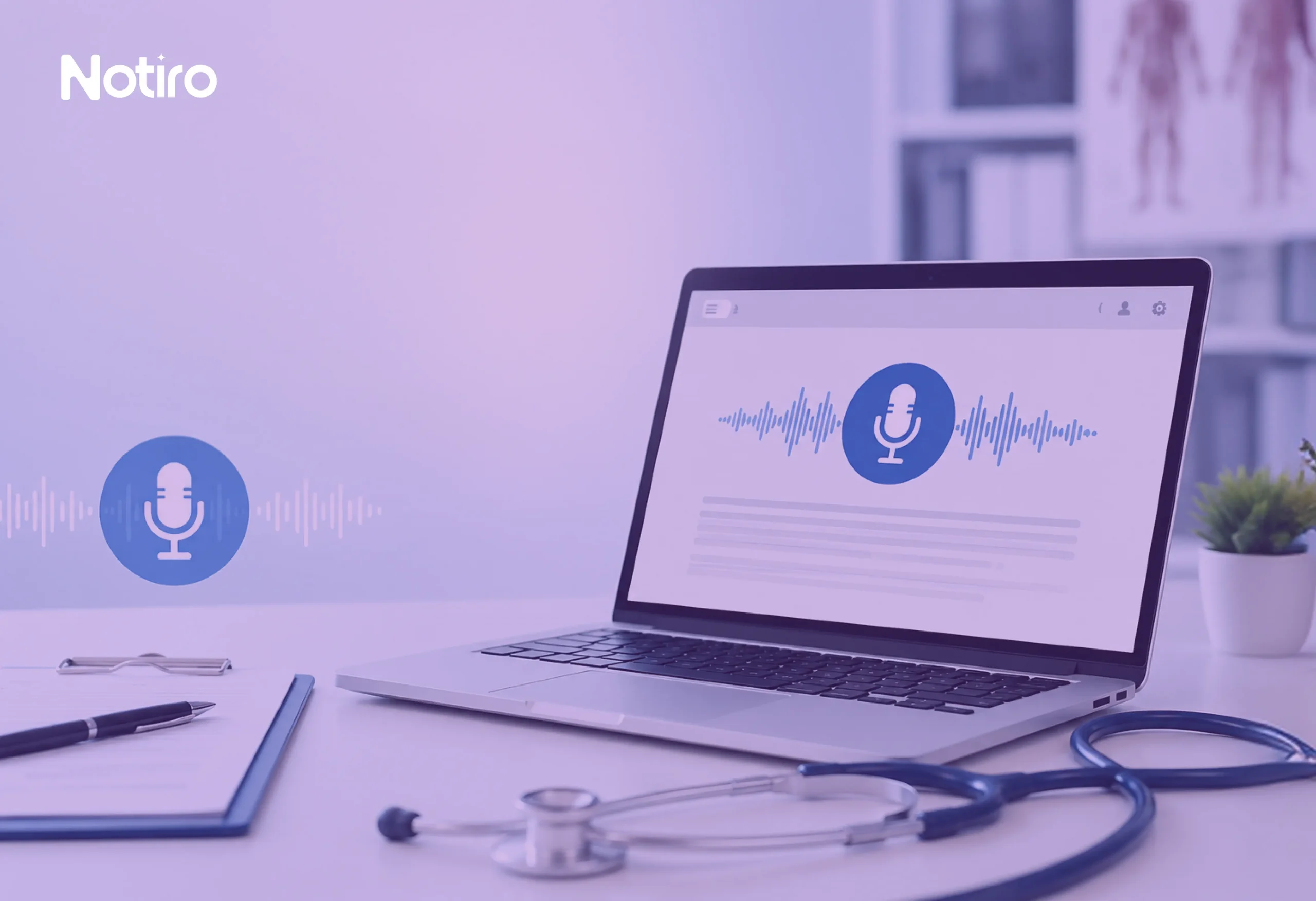
Discover 9 dictation software adoption statistics for healthcare in 2026, covering physician use, ambient AI growth, clinical workflows, and market trends.
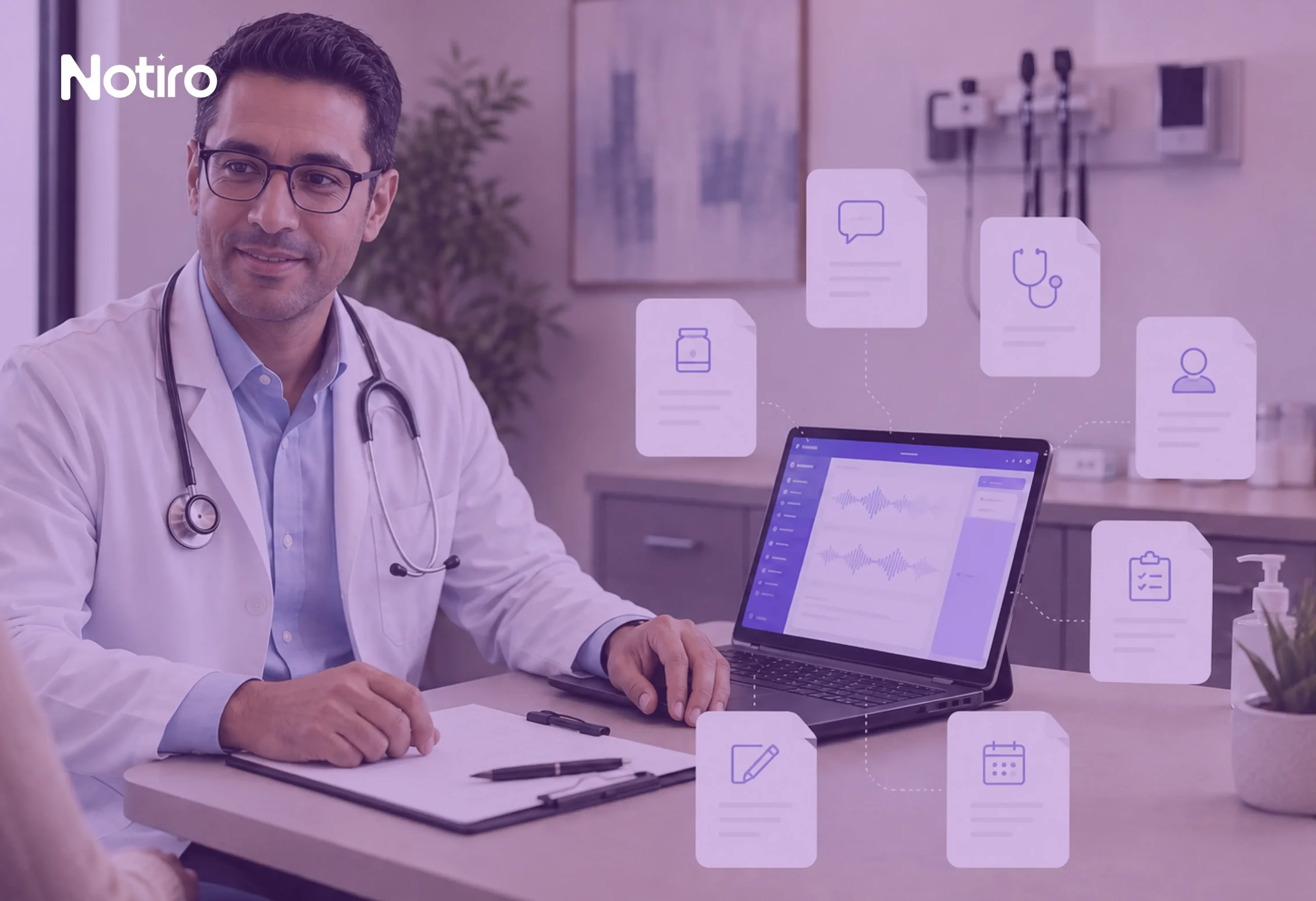
Learn seven practical ways independent medical practices combine physician dictation and AI scribes for faster, flexible clinical documentation.

Discover 10 medical specialities where voice dictation saves the most time, improves clinical efficiency, and reduces documentation burdens for physicians.
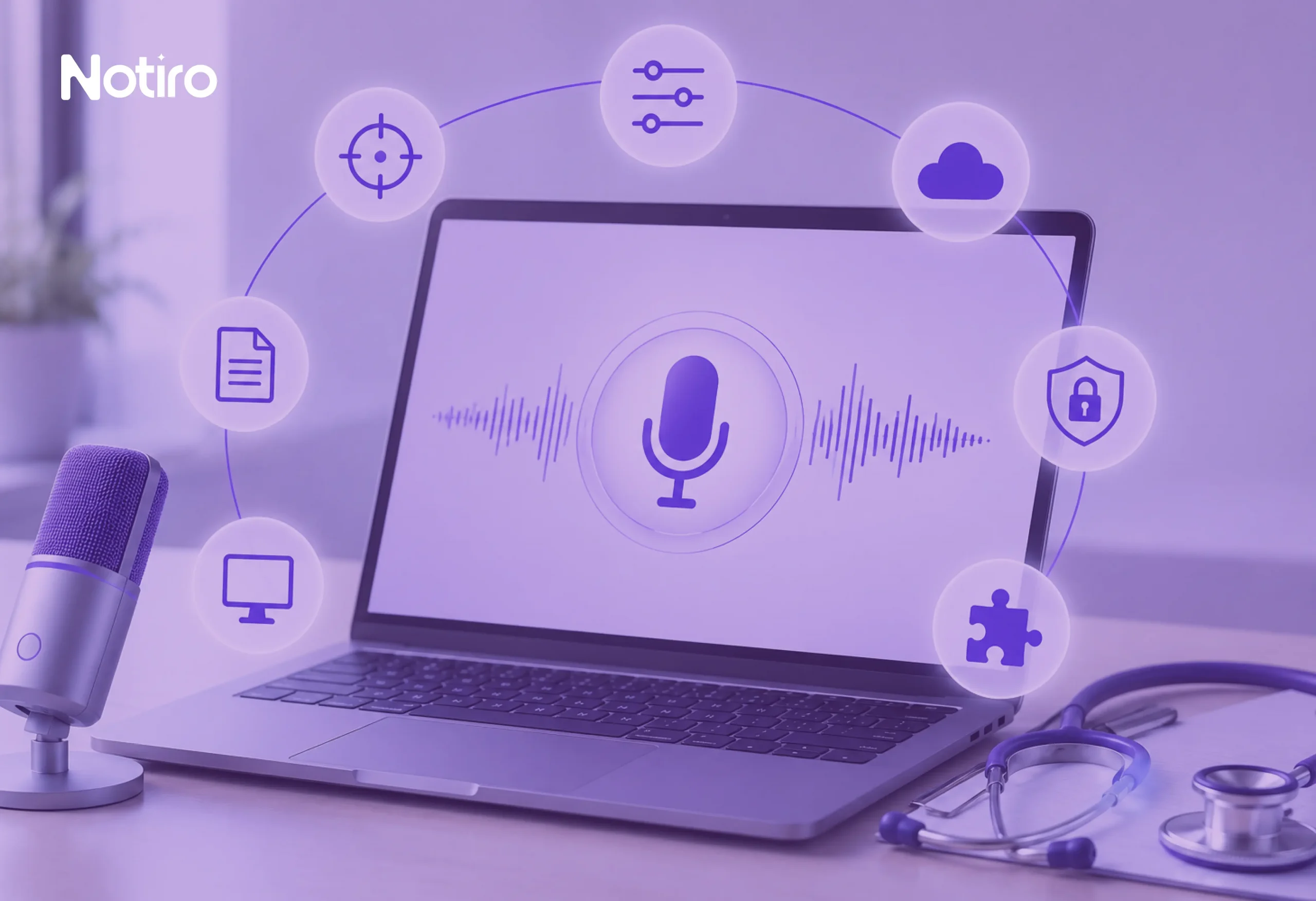
Compare eight features in desktop dictation apps, from accuracy and AI to EHR integration, security, workflow automation, and better efficiency with Notiro.

Choosing a voice dictation tool for clinical work means asking 6 key questions first, covering accuracy, HIPAA, coding, and EHR sync.
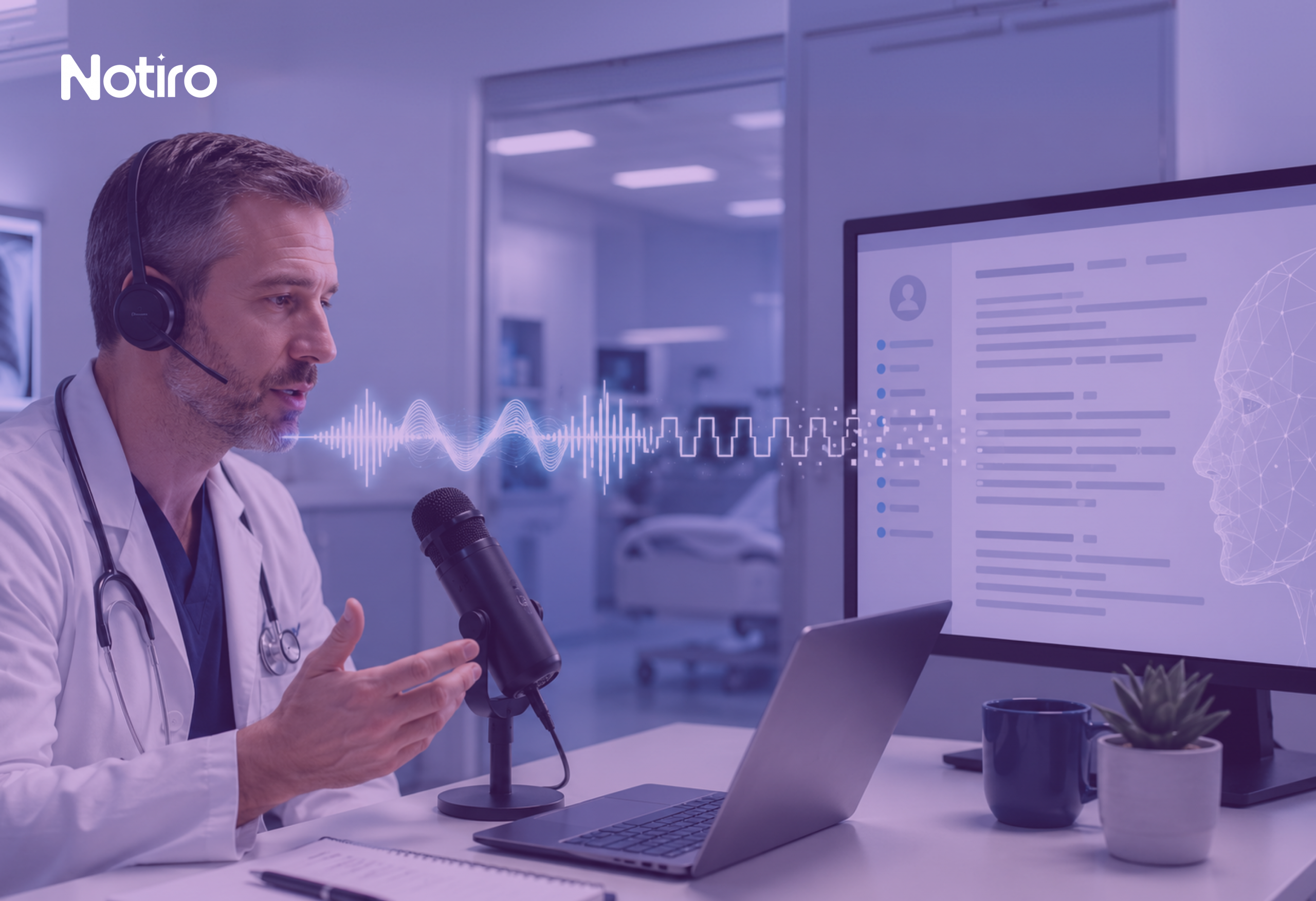
Avoid 7 common dictation mistakes that make clinical notes sound robotic. See how AI medical dictation creates clearer, faster, more accurate documentation.

See 6 signs manual typing is slowing clinical documentation and learn how voice dictation can help clinicians save time and reduce charting delays each day.

See why physicians are switching from typing to dictation notes for faster documentation, less burnout, better coding accuracy, and simpler workflows too.
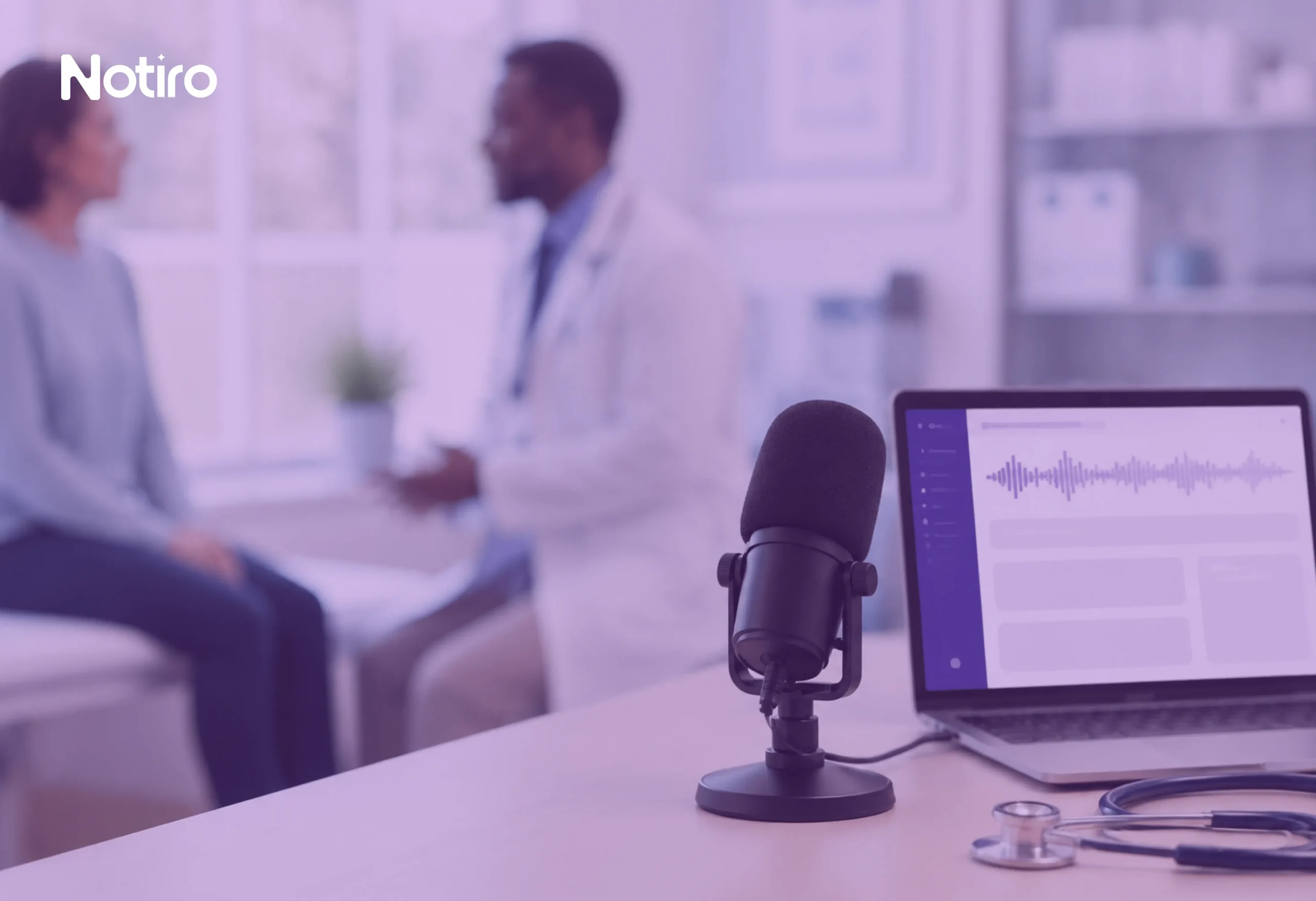
Voice dictation software has changed since 2020. See what recent data actually shows about accuracy, adoption, and clinical fit before you rule it out.

Discover 8 practical ways AI saves doctors' time, reduces admin work, and supports better patient care without replacing physicians or clinical judgment now.

Documentation errors trigger denied claims, malpractice exposure, and patient harm. See the five ways a single note failure costs your practice and how to stop it.

Compare the true cost of hiring medical staff against an AI documentation platform. See where AI wins, where humans still matter, and how to decide.
ChatGPT, Claude, and Gemini were not built for clinical charting. See the privacy, accuracy, and compliance risks before charting with generic AI.
E/M leveling determines what a visit pays. See how AI evaluation and management coding closes the gap between documentation and reimbursement.

AI Scribe for Addiction Medicine | Notiro Meta description: Notiro's AI scribe for addiction medicine turns SUD sessions into structured notes and billing codes, built for behavioral health documentation.

AI scribe not working? Here is what causes recording failures, transcription errors, and integration issues, with the latest data and sources.
Comparing AI scribe vs scribing service vs virtual scribe options for 2026? See how cost, accuracy, and coding automation actually differ before choosing.

How many more patients can an AI scribe help a physician see? Real study data on AI scribe patient volume increase, workflow efficiency, and coding automation.
AI-generated notes are only as safe as the vendor behind them. Learn what happens during an AI scribe vendor risk event and how to prepare for it.

How an AI scribe for nurse practitioners and physician assistants differs from MD-built tools, covering scope of practice, billing, and chart sign-off.
See how an AI scribe mobile app handles real exam rooms: ambient notes, ICD-10 and CPT coding, and pre-visit intake, all from the phone with Notiro.

AI scribe specialty configuration prevents heavy editing and missed billing codes. See what to confirm before go-live and how Notiro adapts by specialty type.

A 15-point AI scribe implementation checklist covering EHR integration, HIPAA compliance, coding accuracy, and onboarding steps to verify before your practice goes live
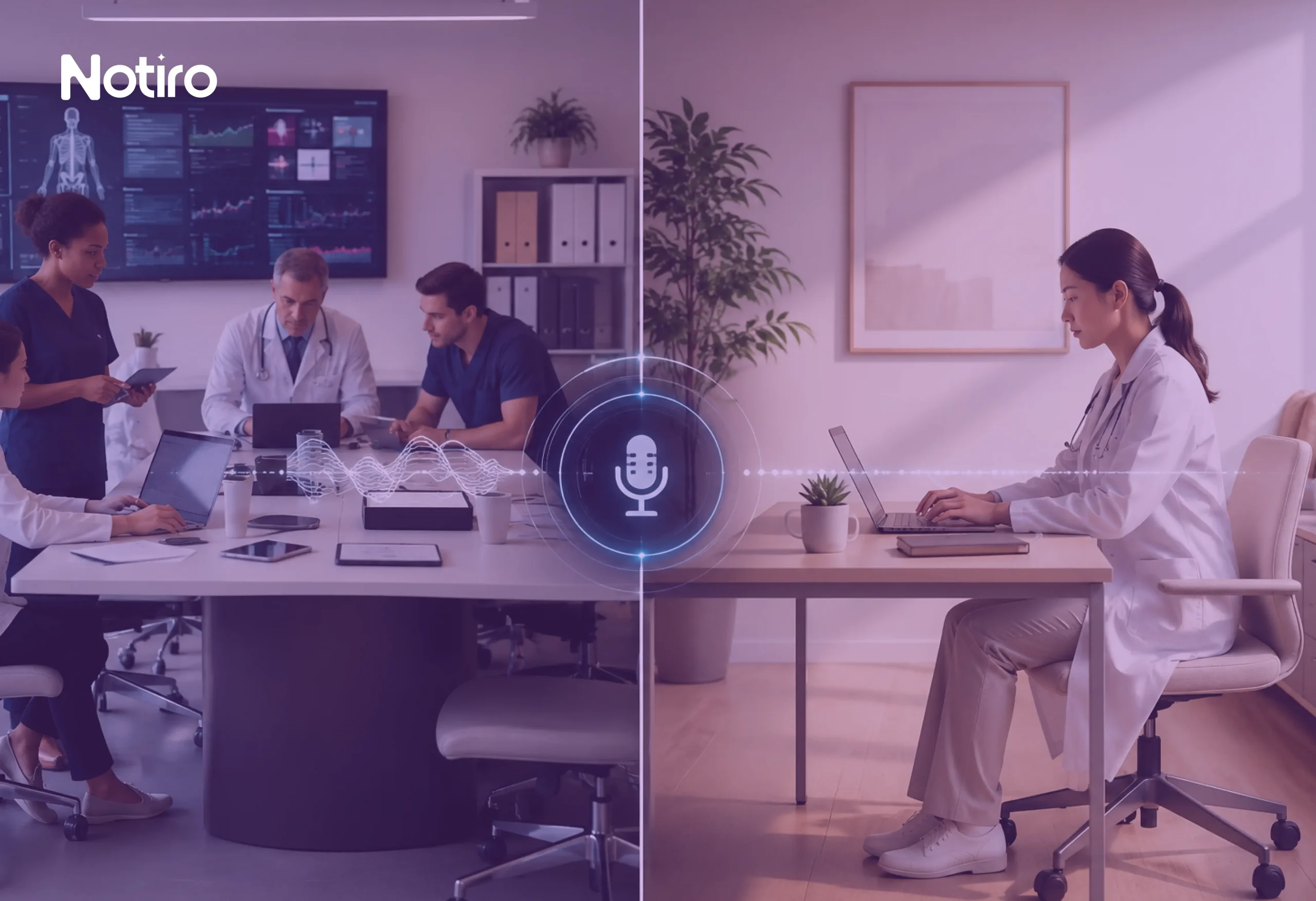
AI scribe for solo practices vs. group practices: compare coding automation, EHR sync, and admin controls to find the right fit at any practice size.

AI scribe for rural medicine cuts documentation time and undercoding in critical access hospitals. See how Notiro automates intake, scribing, and ICD-10/CPT coding now.
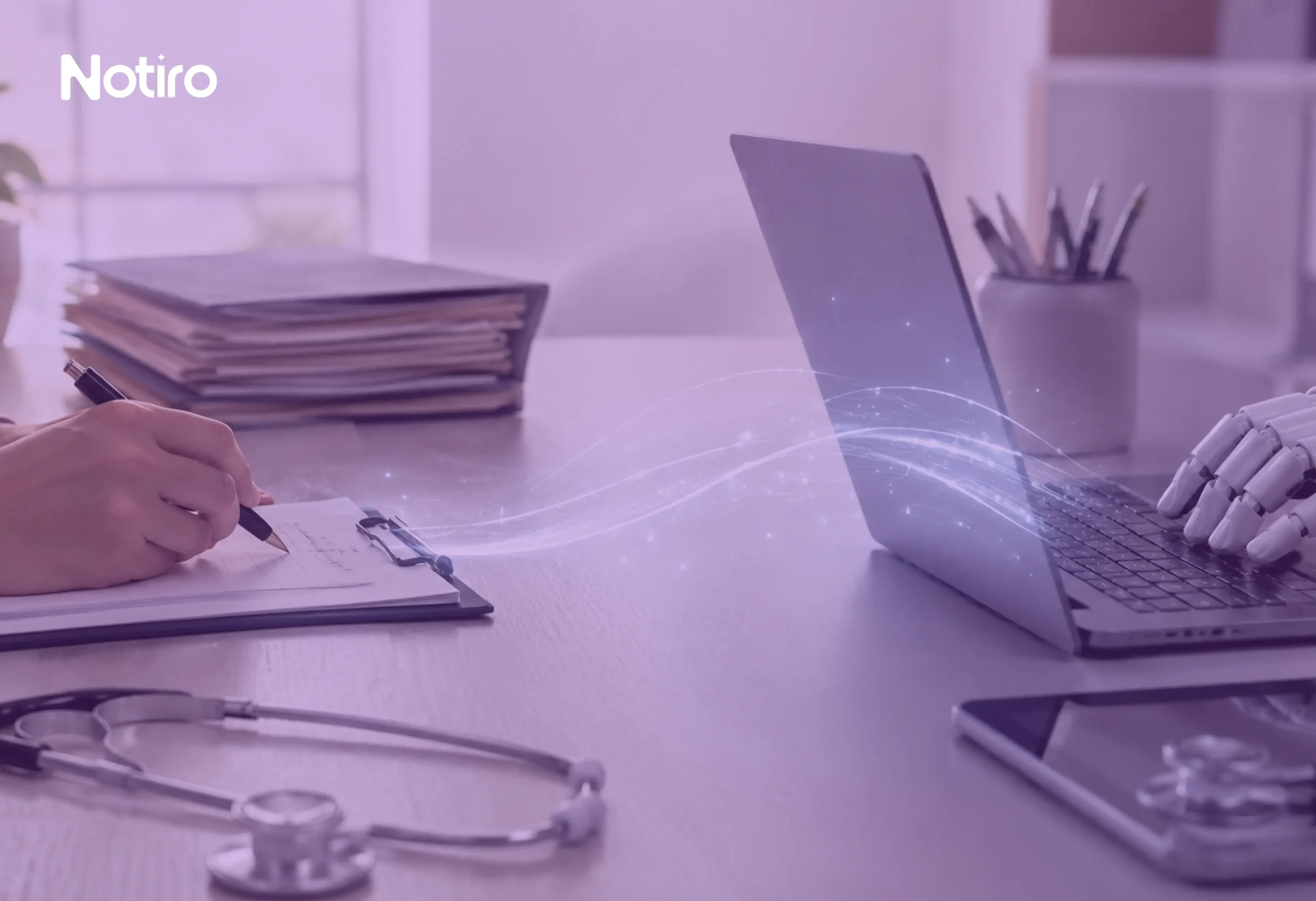
Learn how to switch from a human medical scribe to an AI scribe without disrupting patient care, billing accuracy, or daily workflow.
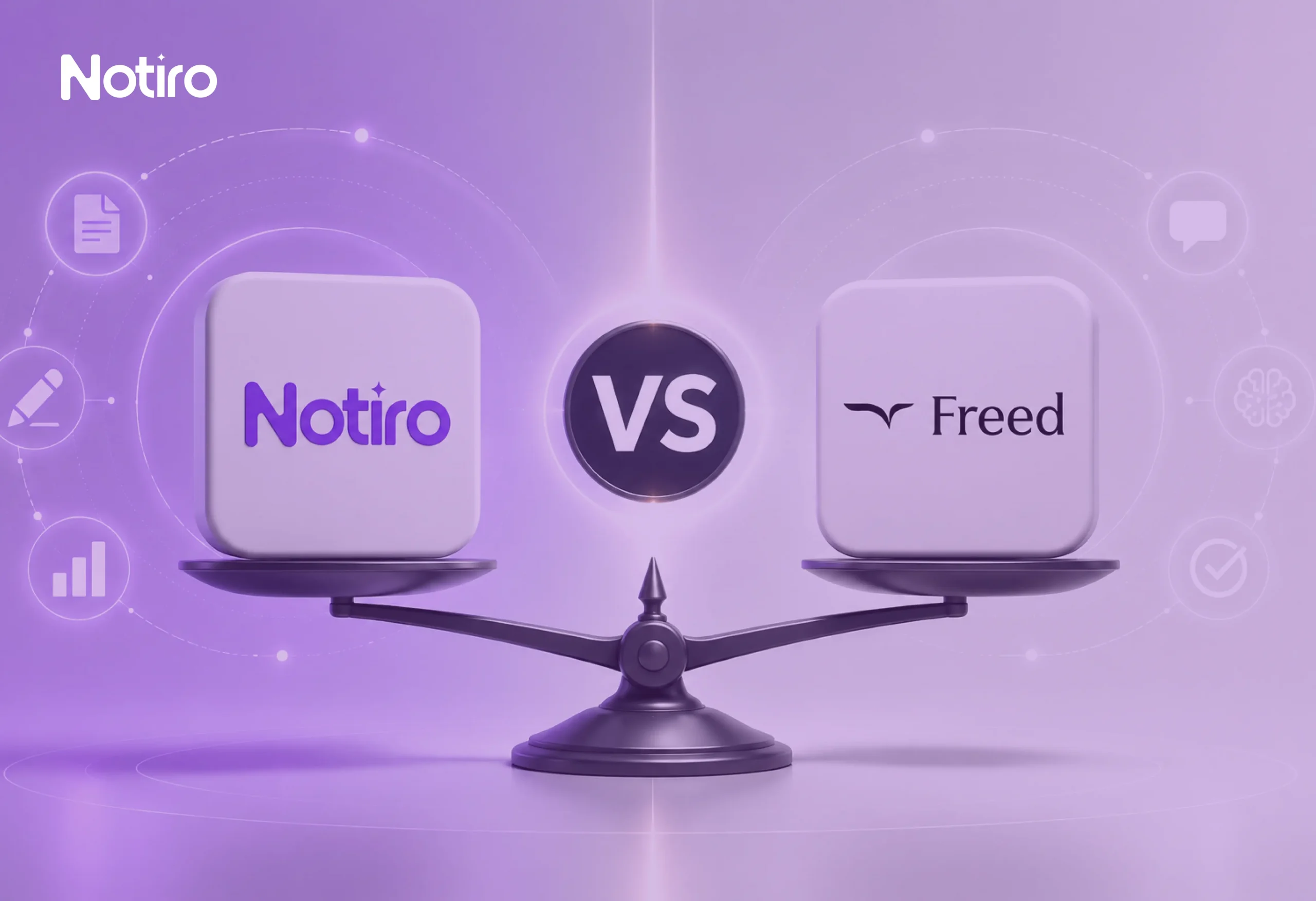
Explore this Notiro vs Freed AI scribe comparison to find the best AI medical scribe software based on workflow, coding, EHR fit, and usability.
Explore this Notiro vs Freed AI scribe comparison to find the best AI medical scribe software based on workflow, coding, EHR fit, and usability.
Compare the best AI medical scribe tools of 2026 and discover why Notiro leads with smarter notes, coding, intake, orders, and EHR workflow automation today.

Learn why doctors chart after hours, how pajama time drives burnout, and how Notiro's AI can help reduce EHR work, errors, and late-night physician charting.

Value-based care AI documentation now has to capture risk, quality, and outcomes data, not just visit notes. Here is what that shift actually requires.

Discover why AI clinical note quality matters more than speed and how accurate documentation improves coding, audits, physician trust, and patient care.

Discover how ambient AI improves coordination in multi-provider practices through standardized documentation, AI coding, and streamlined patient handoffs.

AI pre-visit chart preparation equips physicians with patient summaries before appointments, reducing documentation, saving time, and improving care.

A fast note is not the same as an accurate one. See why context, not speed, determines clinical documentation accuracy AI tools can actually deliver.

The $36 billion revenue cycle problem starts before a claim is ever filed. See why revenue cycle AI documentation has to begin at the point of care.

How much time doctors spend on documentation in 2026, what the newest studies found, and why the physician documentation burden hasn't gone away.

AI is no longer a future concept in healthcare. It is already helping providers document patient visits, summarize encounters, support
Discover 5 EHR workflow problems driving burnout and how AI reduces documentation burden.
Understand shadow AI in healthcare, why physicians use unapproved tools, the compliance risks involved, and how secure workflows protect patient data today.

Discover how Notiro's AI scribe for nurse practitioners and PAs automates intake, documentation, coding, and EHR sync to reduce charting time.
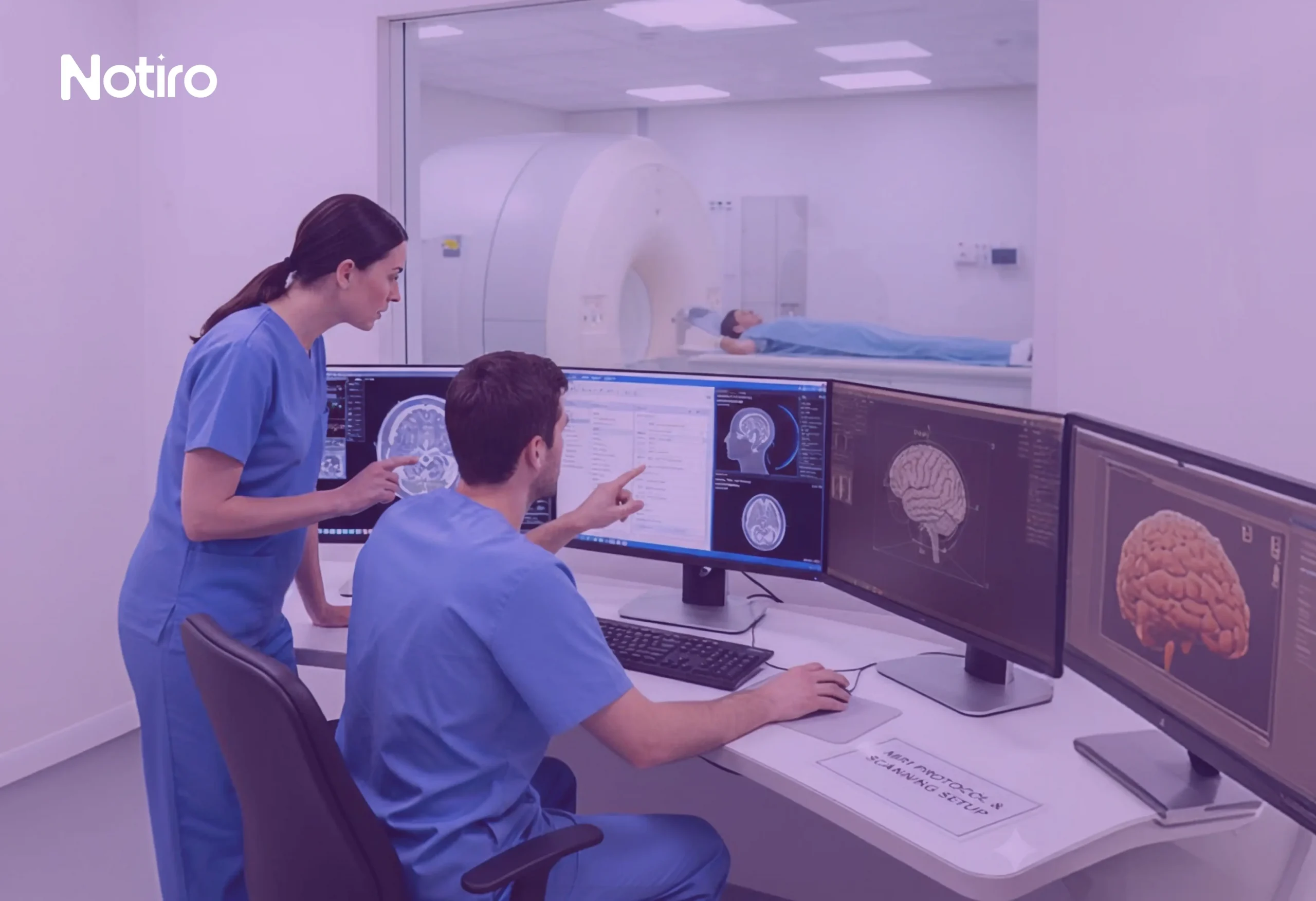
Discover how AI scribes built for therapists, psychiatrists, and psychologists streamline documentation, coding, and mental health workflows.

AI Scribe for OB/GYN automates prenatal, delivery, postpartum, and well-woman documentation with coding support, reducing charting time.

AI Scribe for Pediatrics streamlines well-child visits, caregiver histories, coding, and EHR documentation, helping pediatricians reduce charting time.

AI scribe for emergency medicine built for ED speed. Capture intake, charting, coding, and EHR sync in one workflow to reduce after-shift documentation.

A multilingual AI medical scribe has to solve three separate problems: single-language accuracy, code-switching mid-visit, and coding that doesn't break when the language does.

Asynchronous medicine AI has to document care that never occurs in a single sitting. Here is what real-time AI scribes and async platforms still get wrong.
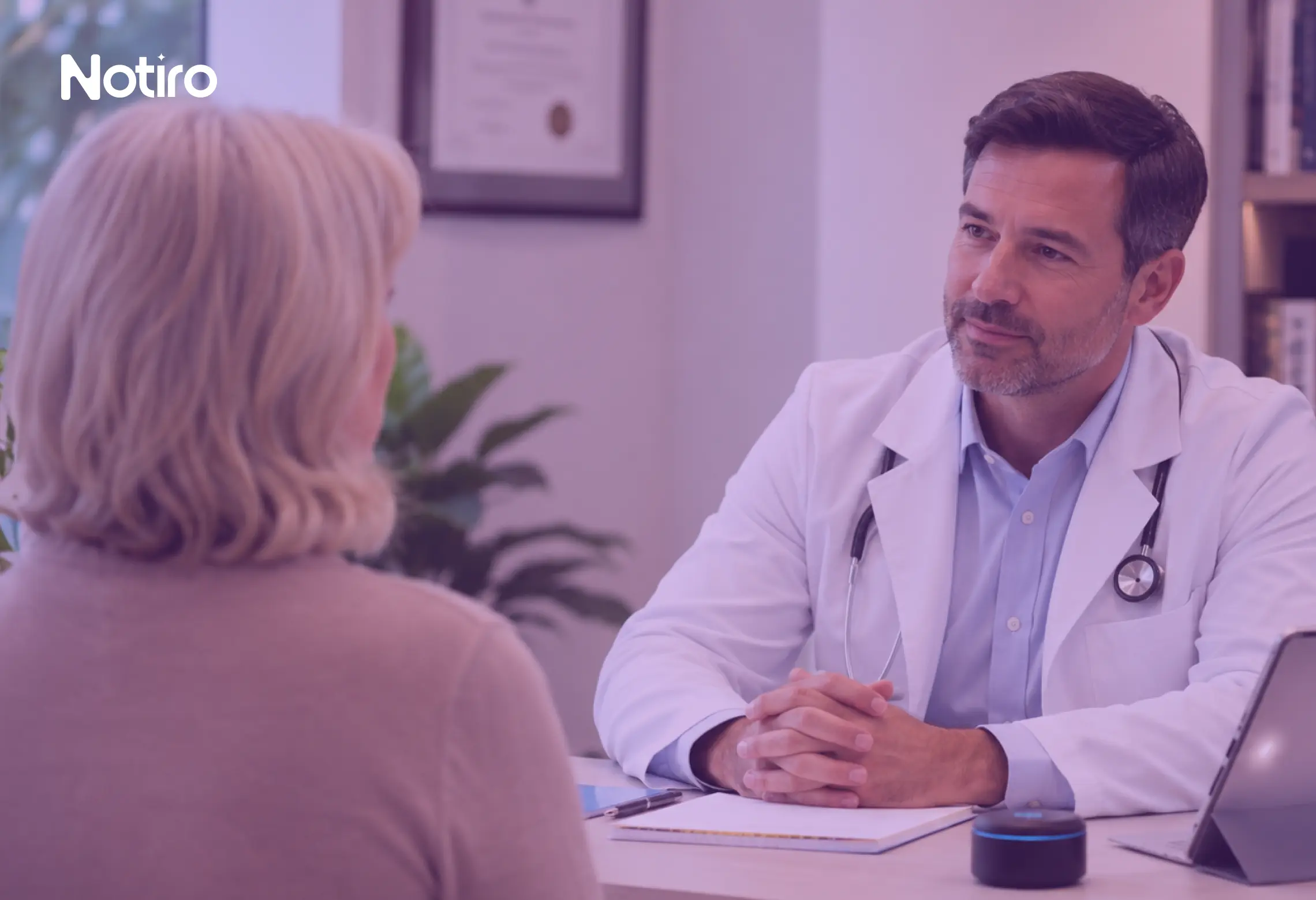
CMIOs running ambient AI rollouts at health systems are surfacing lessons independent practices can act on now. Here is what the data shows and what it means for your clinic.
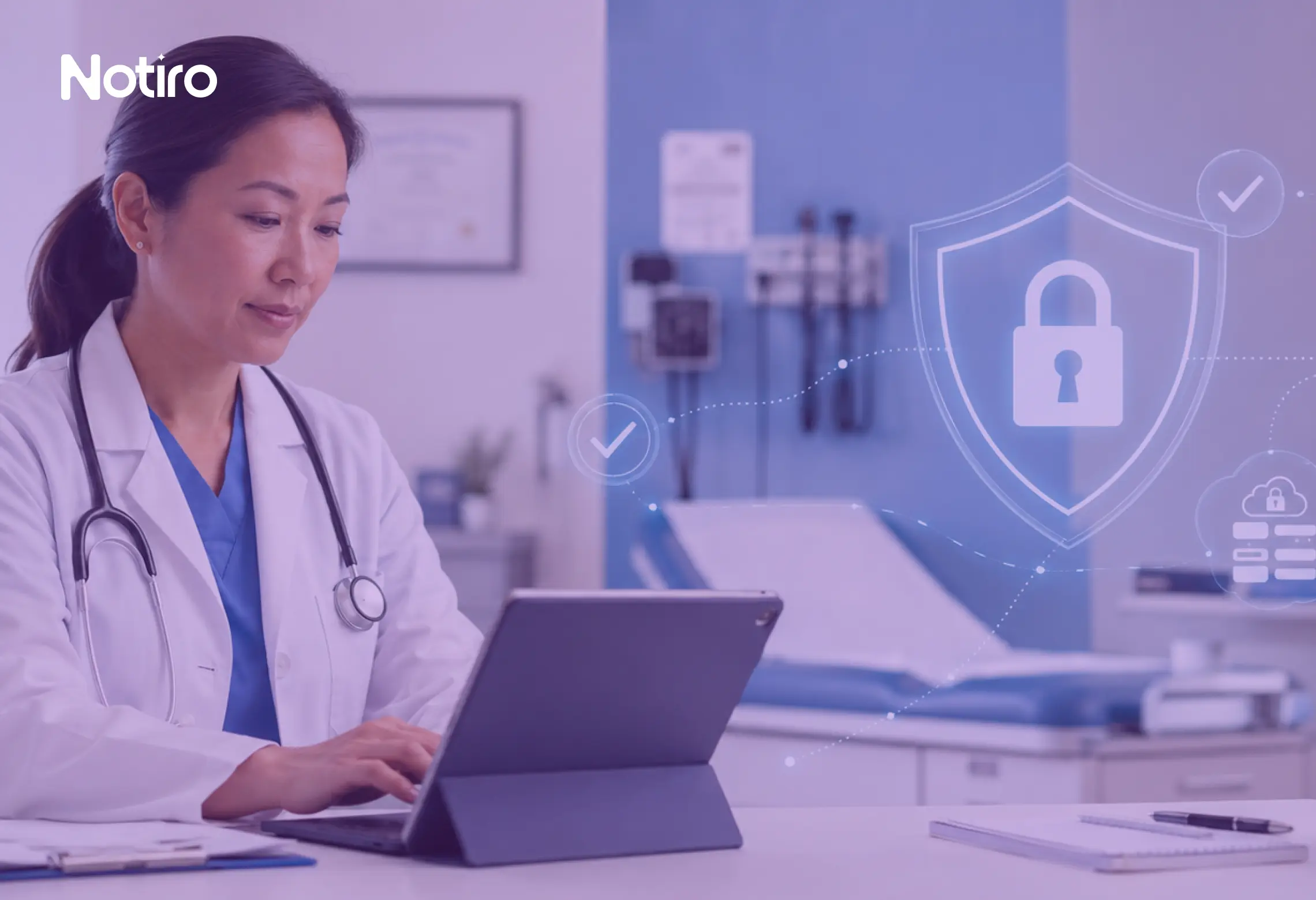
SOC 2 Type II is the security baseline every AI medical scribe must meet. Learn what it means, why HIPAA alone is not enough, and how to verify a vendor's compliance before signing.
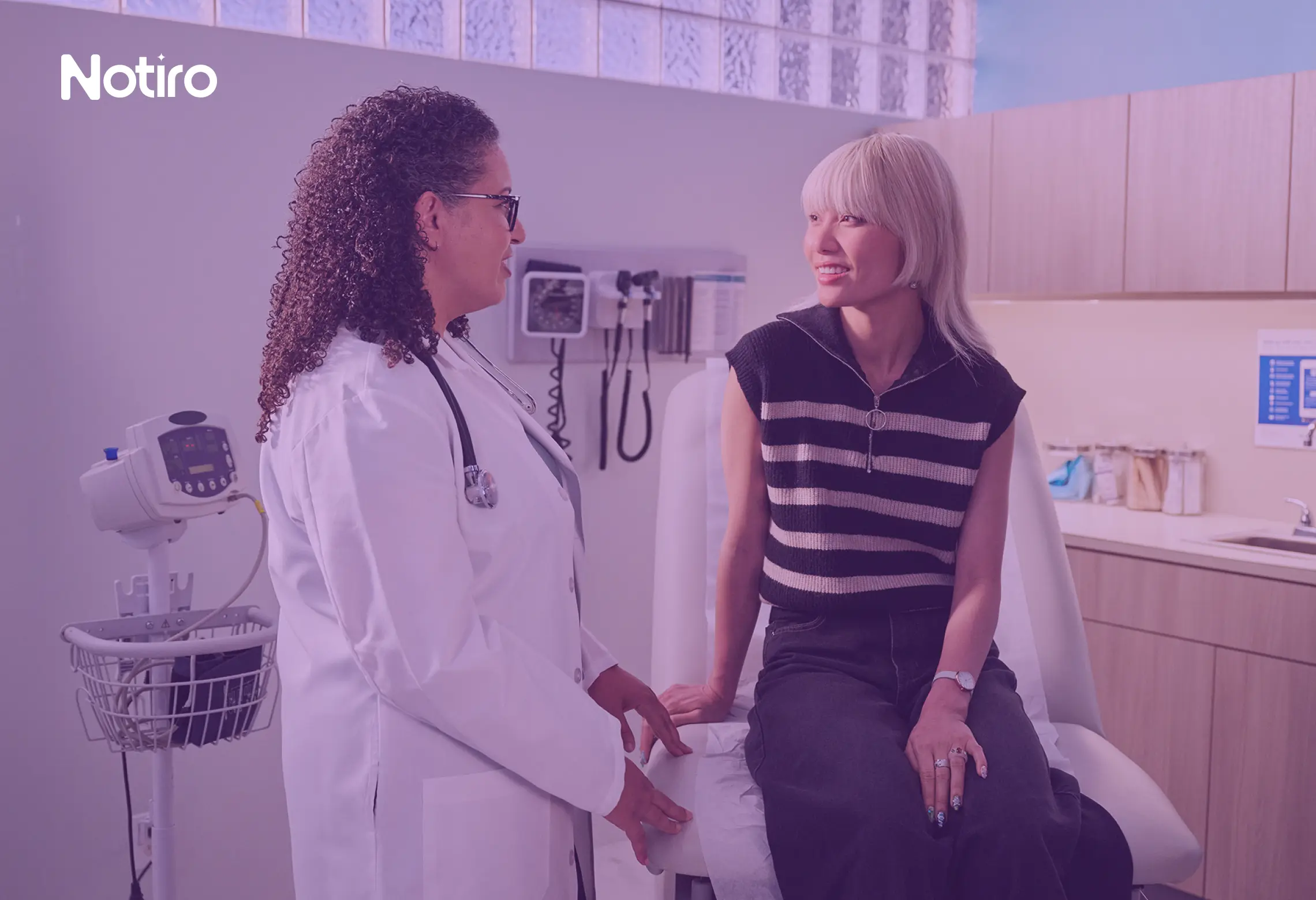
A step-by-step guide for physician owners and practice managers on how to implement AI scribe in practice, covering onboarding, staff resistance, EHR integration, and long-term adoption.

Physician burnout driven by documentation is reaching crisis levels. Discover how ambient AI documentation and AI clinical documentation tools restore clinician satisfaction.

AI scribe hallucinations in clinical notes pose real patient safety and billing risks. Learn what causes them, which tools are most vulnerable, and how to prevent errors.
KLAS-rated AI scribe tools look impressive on paper. Here is what the scores actually measure, what they miss, and how to evaluate the right tool for your practice.

Physician cognitive burden is silently draining clinicians across every specialty. Learn what drives the mental load, what it costs, and how AI is changing the equation.
Medical practices receive 30–50 after-hours calls weekly. Here is how an AI front desk for medical practice reduces that load without replacing your staff.
Clinical decision support does more than flag drug interactions. Learn why an AI medical scribe that includes CDSS changes how physicians handle complex visits.

Independent physician practices are losing revenue to undercoding and documentation burden. Here's how AI healthcare automation is changing the financial picture for small practices.
AI scribe flaws, hallucinations, omissions, billing gaps, accent bias, evaluated against peer-reviewed research. A structured guide for physicians assessing tools before adoption.
A physician-tested script for explaining an AI scribe to patients, handling consent questions, and keeping the visit moving. HIPAA-compliant, no awkward pauses.

FQHCs face documentation demands that exceed their resources. Learn how an AI scribe for FQHCs can automate clinical notes, coding, and intake, without adding staff.
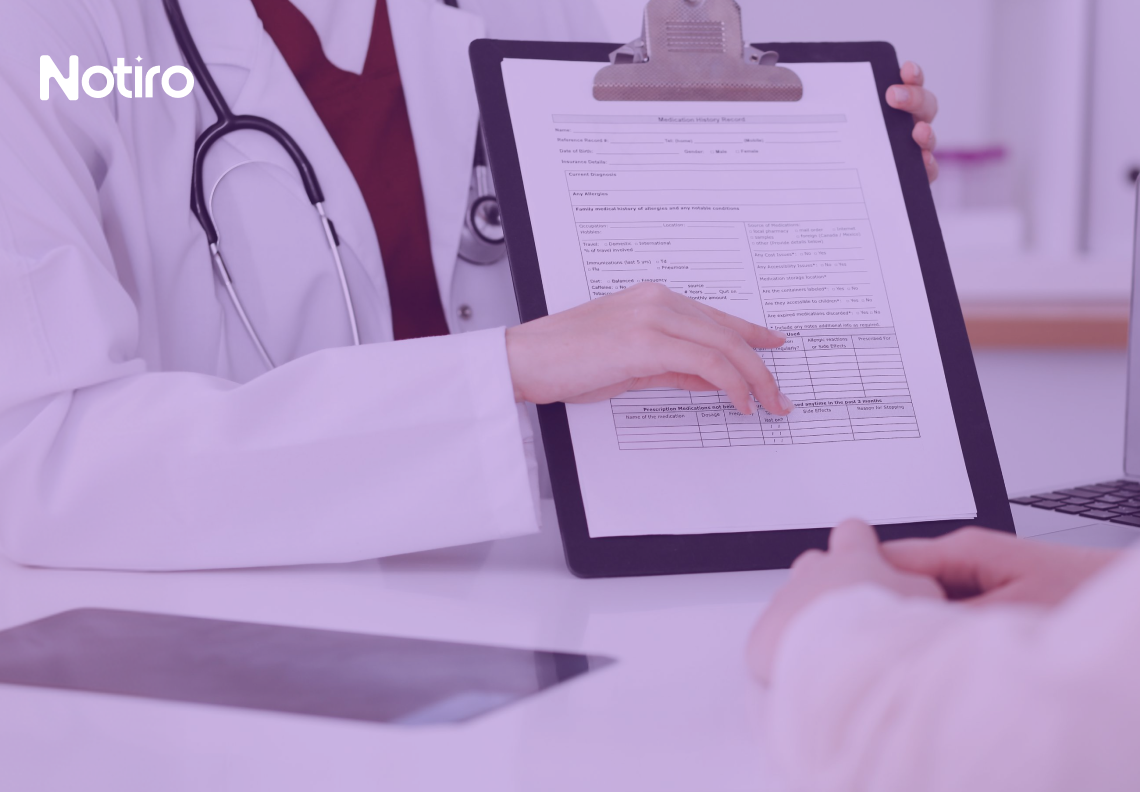
From handwritten charts to ambient AI scribes, explore the full EHR development timeline and why documentation burden is the problem AI finally has a real answer to.

AI in doctor-patient communication reduces screen time and restores eye contact in exam rooms. See the research behind the shift and what it means for patient care.

Learn what actually happens to physician notes after an AI scribe generates them, from audio deletion windows to state medical record retention laws and BAA terms.

Learn how AI helps prevent medical undercoding, uncover hidden revenue loss, improve coding accuracy, and strengthen compliance before claims submission.

Independent practices face a physician shortage and rising costs. See how AI for independent healthcare practices adds capacity without new hires.
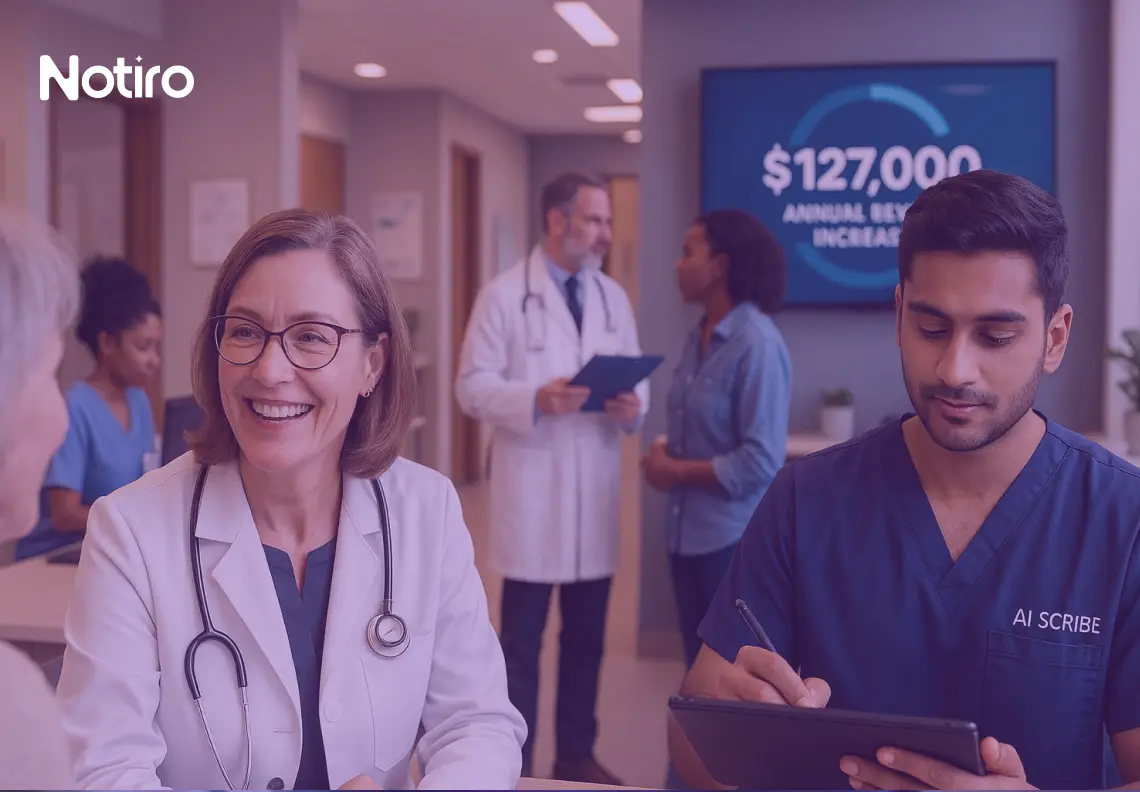
Documentation burnout drains revenue before it drains morale. See what 2026 research reveals about AI medical scribe ROI, undercoding losses, and cost savings.
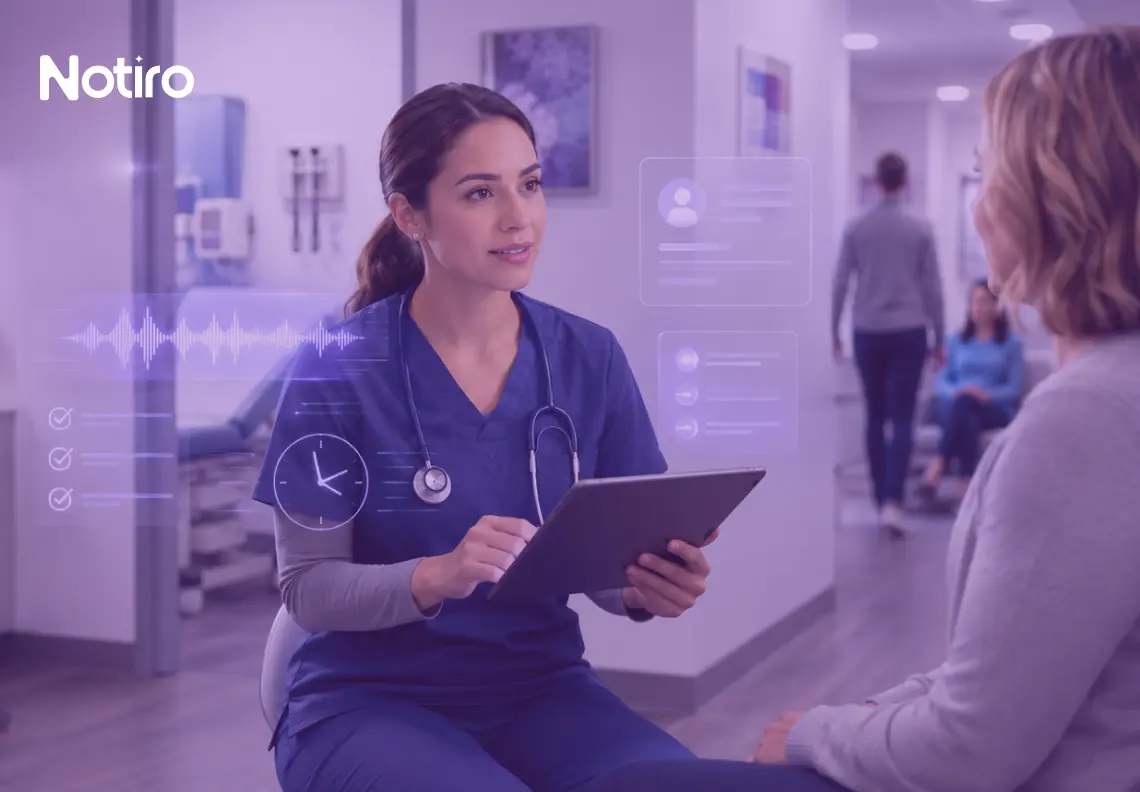
Reduce charting time and streamline clinical workflows with Notiro's AI scribe for urgent care clinics. Automate documentation, coding support, and chart completion.

See why healthcare practices are shifting from AI note-taking tools to full workflow automation for intake, documentation, and coding.

Compare what an AI scribe for telehealth actually needs to handle, from consent to coding, before choosing a tool for virtual visit documentation.
AI scribe for psychiatry captures MSEs, risk assessments, DSM to ICD 10 coding, and medication notes so psychiatrists can focus on patient care.

See how AI scribes help internists document complex multi-problem visits, generate POMR notes, and suggest accurate ICD-10 and CPT codes

Copy-paste EHR documentation can spread errors, increase compliance risk, and contribute to burnout. Learn how AI scribes create accurate notes.
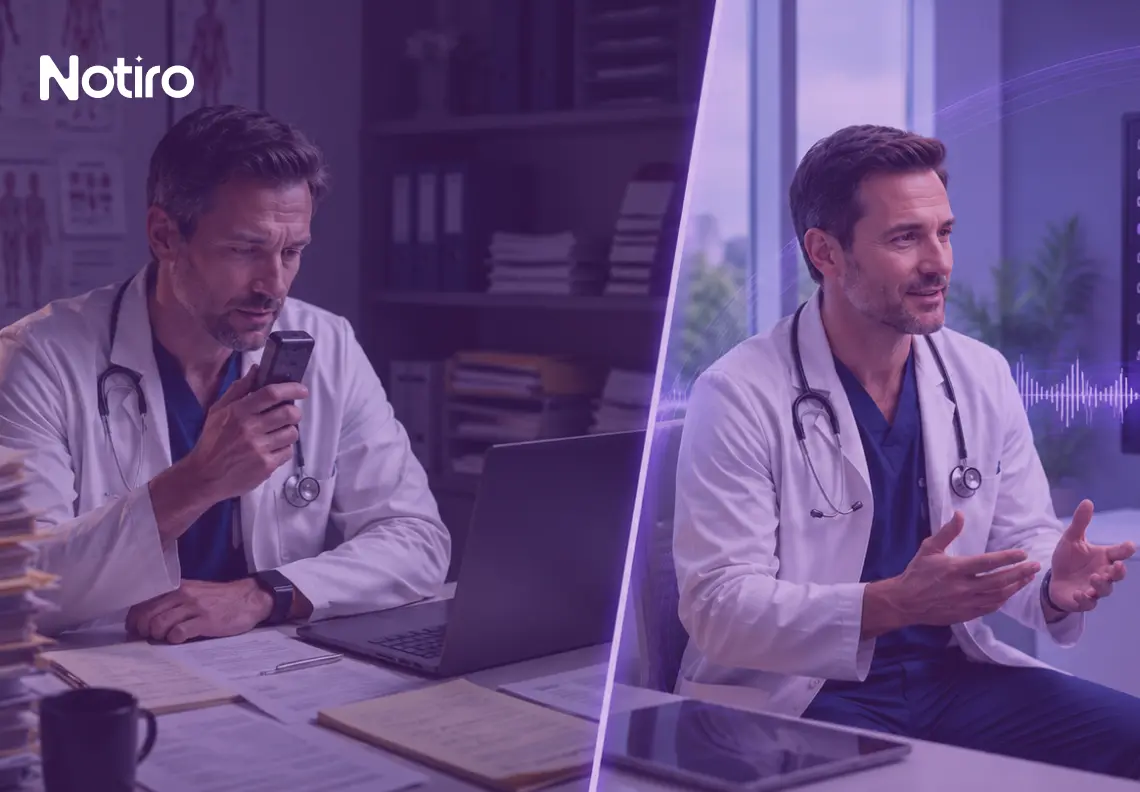
Comparing voice dictation vs ambient AI documentation? See how each affects physician time, coding accuracy, billing, and workflow fit before choosing the right tools.

AI medical transcription hits 90–95% accuracy in 2026, but the numbers require context. Here's what the research actually says about errors, omissions, and what matters for clinical documentation.

Medical transcription errors silently drive patient safety risks and malpractice exposure. Here's what inaccurate clinical notes actually cost, and how AI is closing that gap.

The medical transcription industry 2026 is shifting fast. Discover what's replacing traditional services, what the data says, and what leading healthcare teams are using instead.

Physicians still using medical transcription services are losing hours daily. This 2026 breakdown shows what's changed, what's broken, and where AI scribes now pull ahead.
Family medicine physicians deal with 20 to 30 patients a day and hours of charting. Here is what to look for in an AI scribe and why notes alone are not enough.
Discover the state of AI clinical documentation in 2026, including adoption trends, ambient AI, burnout reduction, and workflow automation.

Learn how to handle patient consent for AI scribes in 2026. Explore verbal consent, written consent, compliance considerations, and practical workflows.

Learn what physicians should know about AI scribe accuracy, reliability, note quality, and how AI documentation tools support clinical workflows.

AI scribe adoption is stalling in most practices. Here is what the research shows about physician resistance and how leaders can fix the rollout.
Physicians have real concerns about AI scribes. Here is what the evidence shows on accuracy, HIPAA compliance, billing codes, and EHR integration.

The EHR used to store what happened, but AI-powered tools now act before, during, and after the visit. Here is how that shift plays out in a real clinical day.
The Ontario Auditor General found AI scribes hallucinating medications and fabricating treatment plans. Here's what the audit findings mean for US physicians choosing AI scribing tools.

The 2026 CPT code changes and ICD-10 update bring 418 CPT revisions and 550+ diagnosis shifts. Here's what changed, and how to stay ahead.

The VA is deploying an ambient AI scribe to 130+ medical centers. Here's what private clinicians can learn from the largest AI scribe deployment in US history.
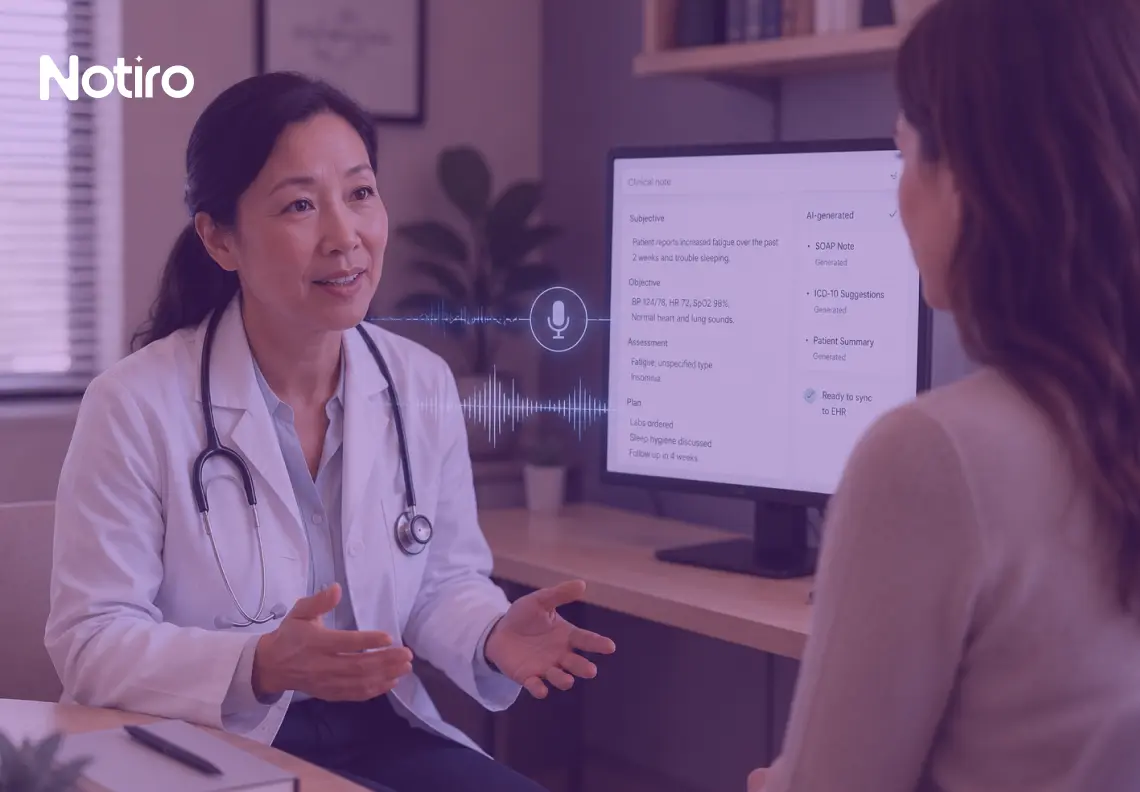
One-third of US providers now have access to ambient AI scribe technology. Here is what the adoption surge means for independent clinicians whether to move.
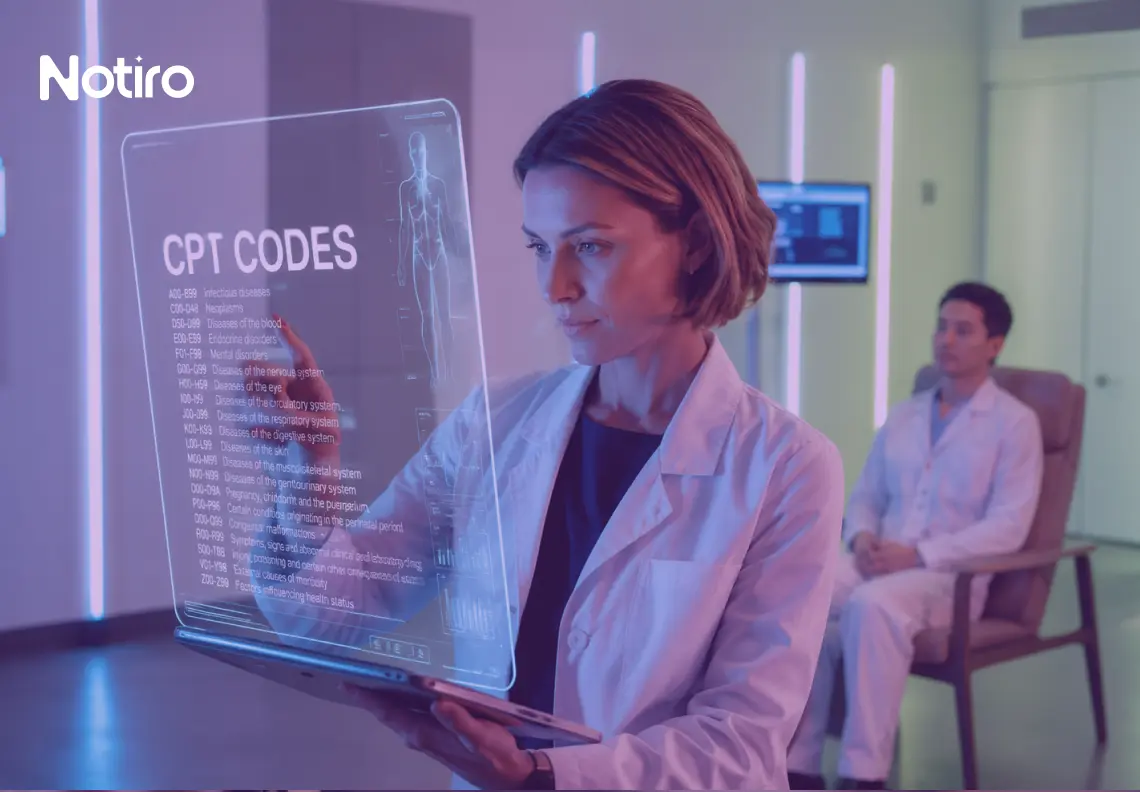
Learn how CPT code automation improves evaluation and management coding accuracy through better clinical documentation workflows.
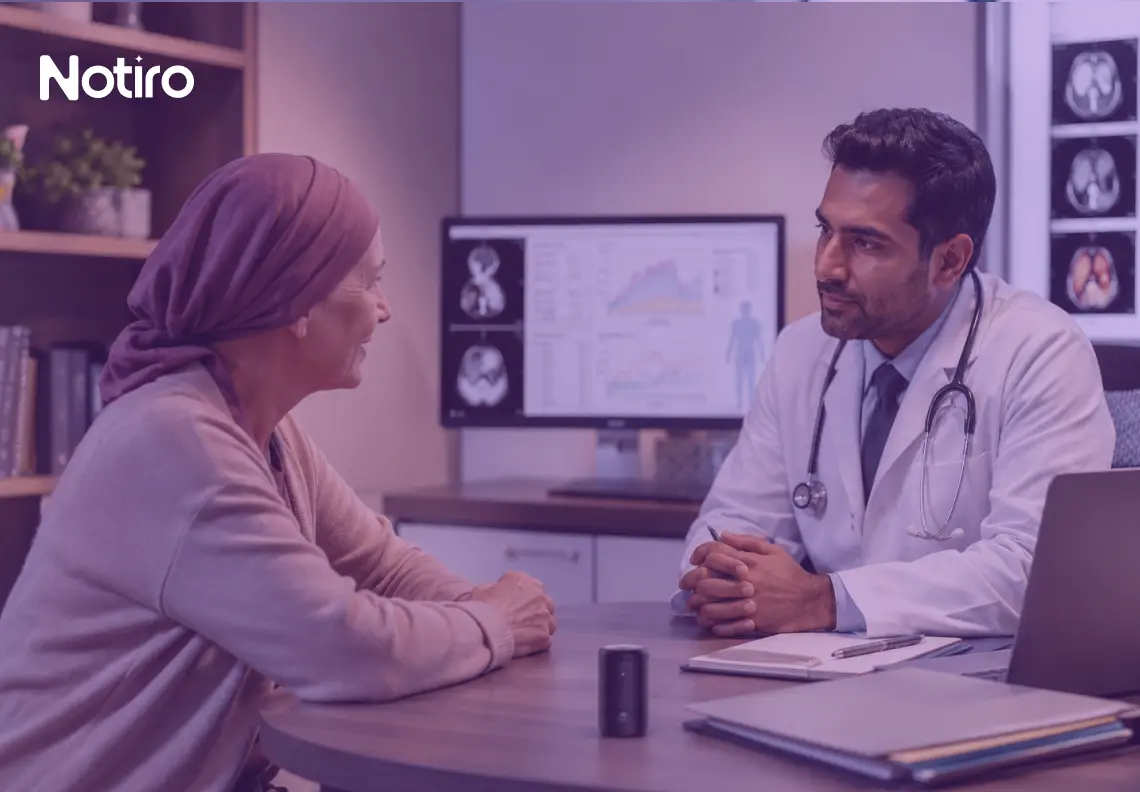
Learn how AI documentation for oncology reduces note time, supports complex cancer care, and improves clinical documentation workflows.
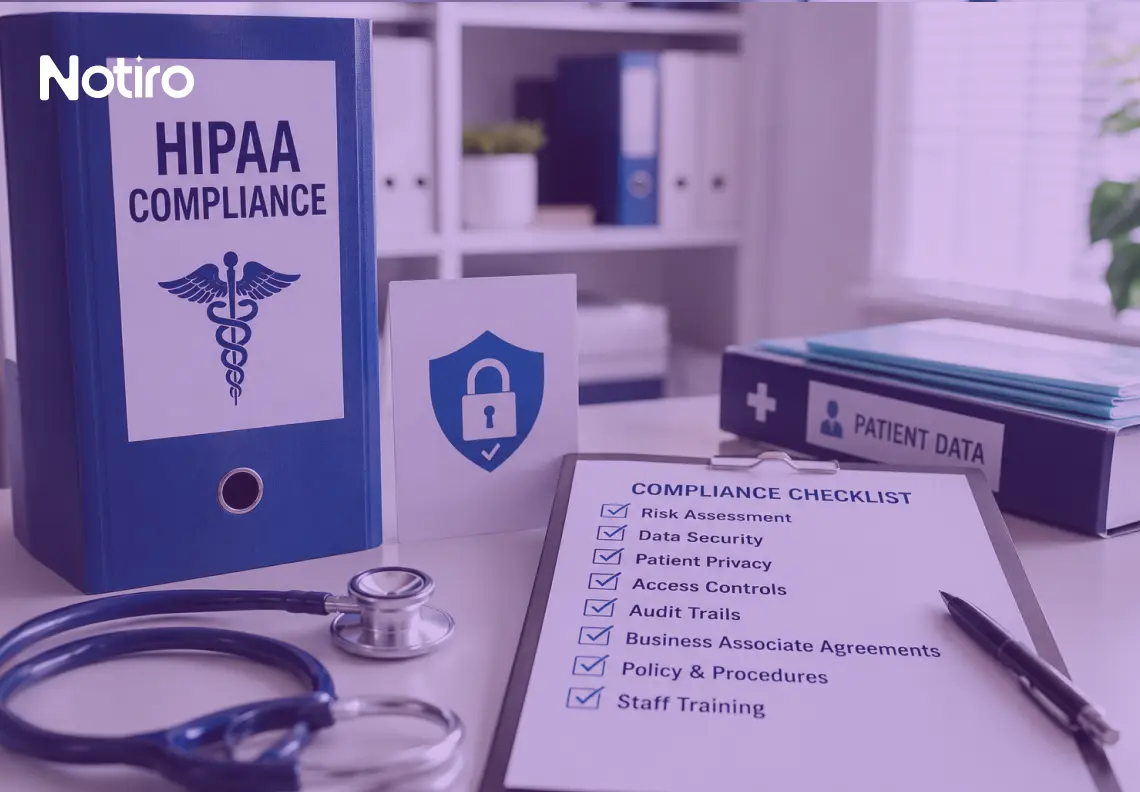
Learn what clinics must verify before buying a HIPAA compliant AI scribe, from BAAs and data storage to EHR security and review workflows.

Explore AI scribe vs human scribe differences, medical scribe costs, workflow efficiency, compliance, and documentation quality.
Healthcare organizations are under growing pressure to document patient encounters faster, submit cleaner claims, and reduce administrative overload without compromising

Learn how AI clinical documentation helps reduce physician burnout, cut after-hours charting, and improve healthcare workflows.

Learn how AI clinical orders help clinics automate referrals, lab requests, prescriptions, and documentation with smarter workflows.
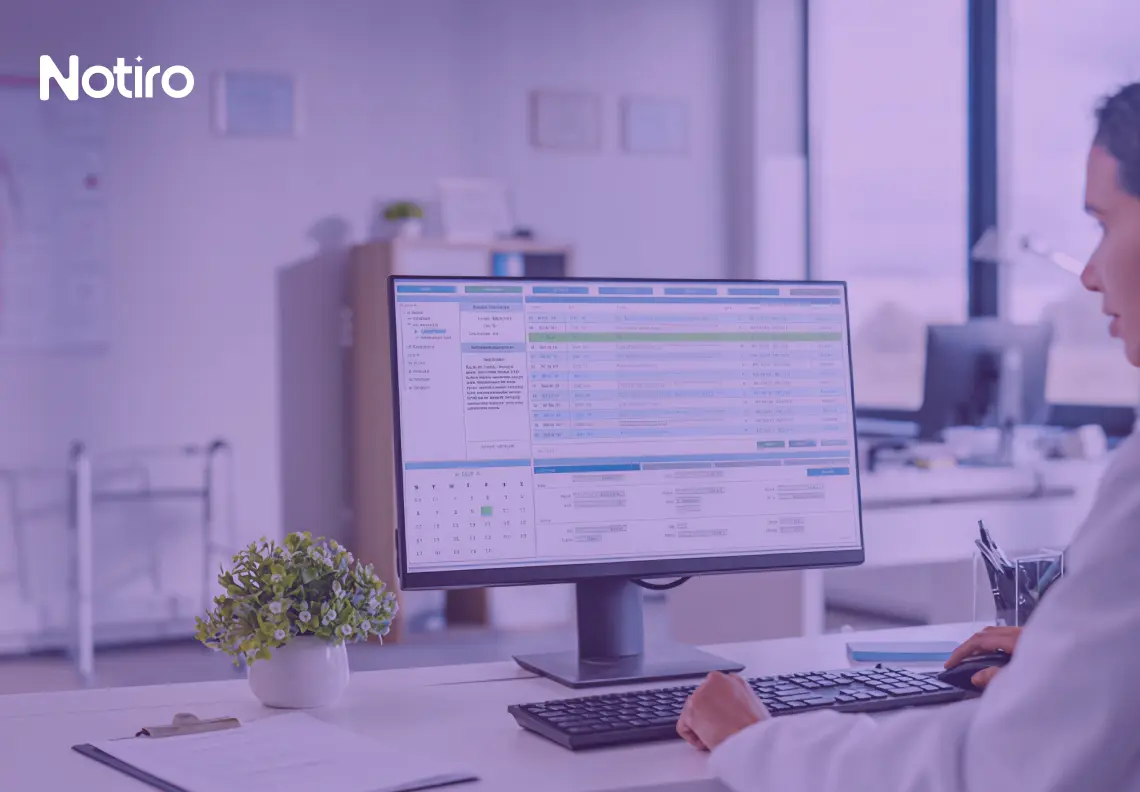
Learn how AI supports HCC coding, hierarchical condition category coding, and documentation accuracy in value-based care workflows.
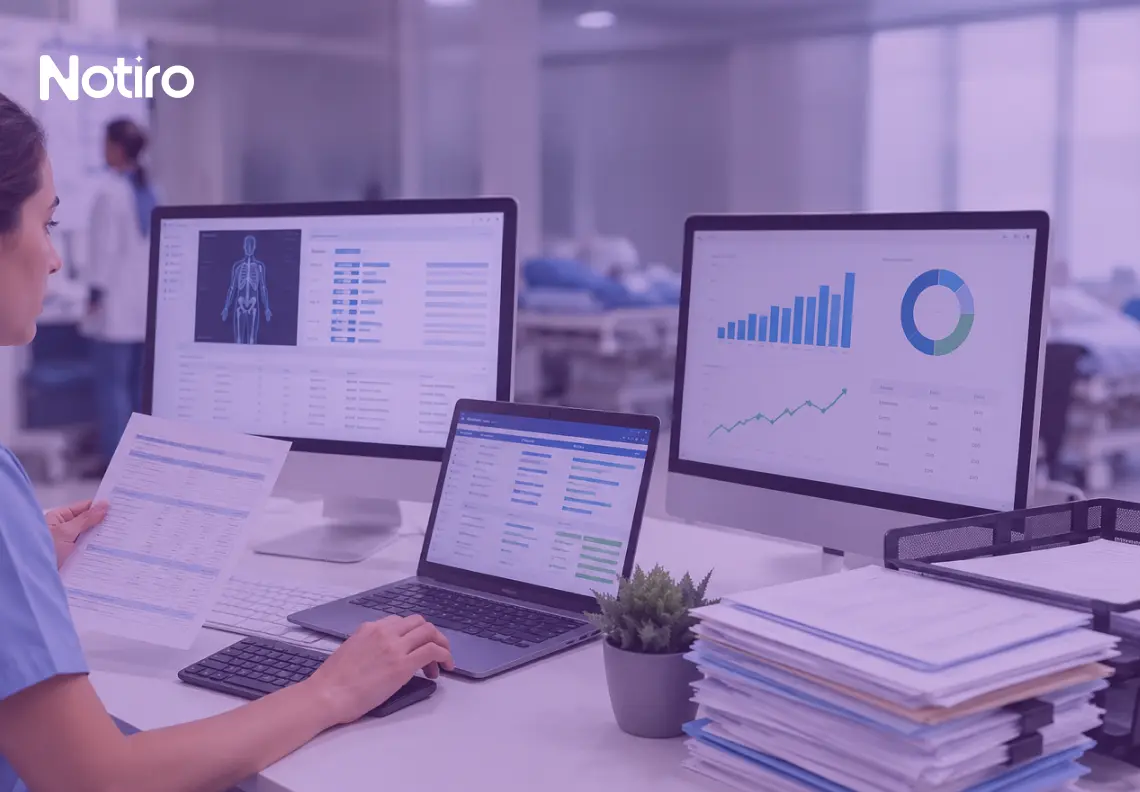
Learn how AI medical coding and automated medical coding software help reduce claim denials, improve accuracy, and speed up reimbursement.
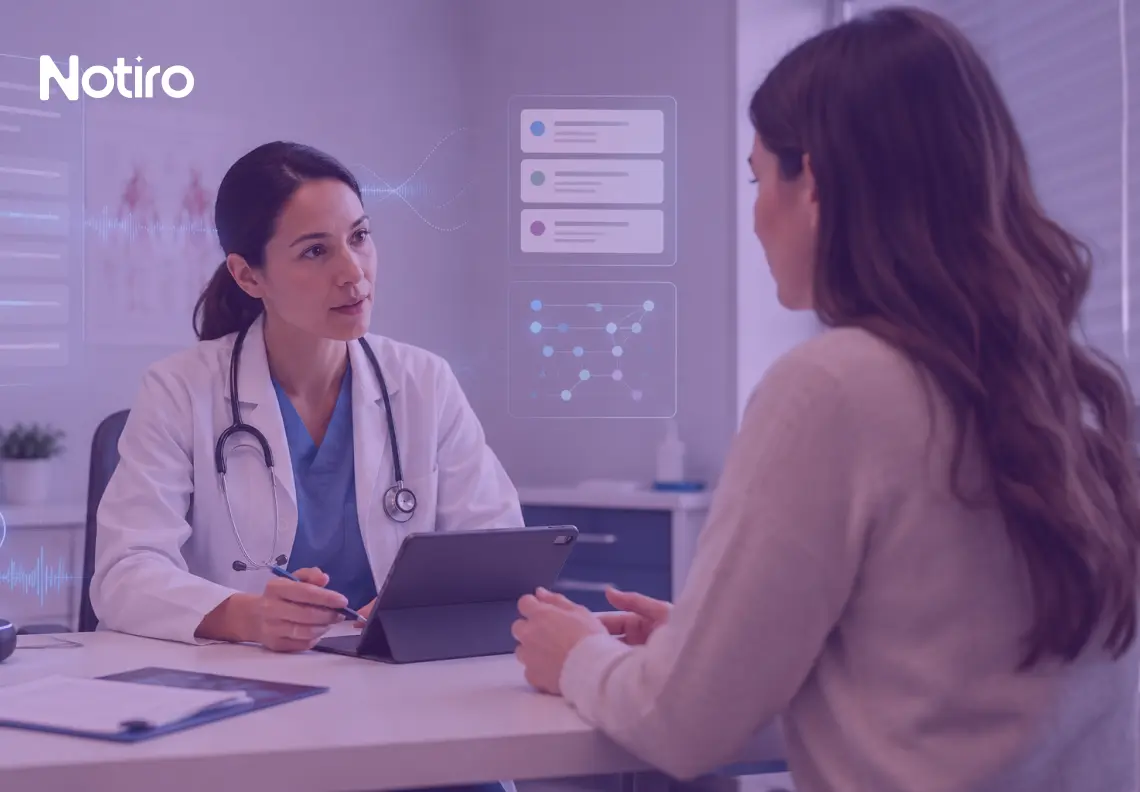
Learn how ambient clinical intelligence helps clinicians reduce documentation burden, improve workflows, and support better patient interactions through ambient AI healthcare technology.
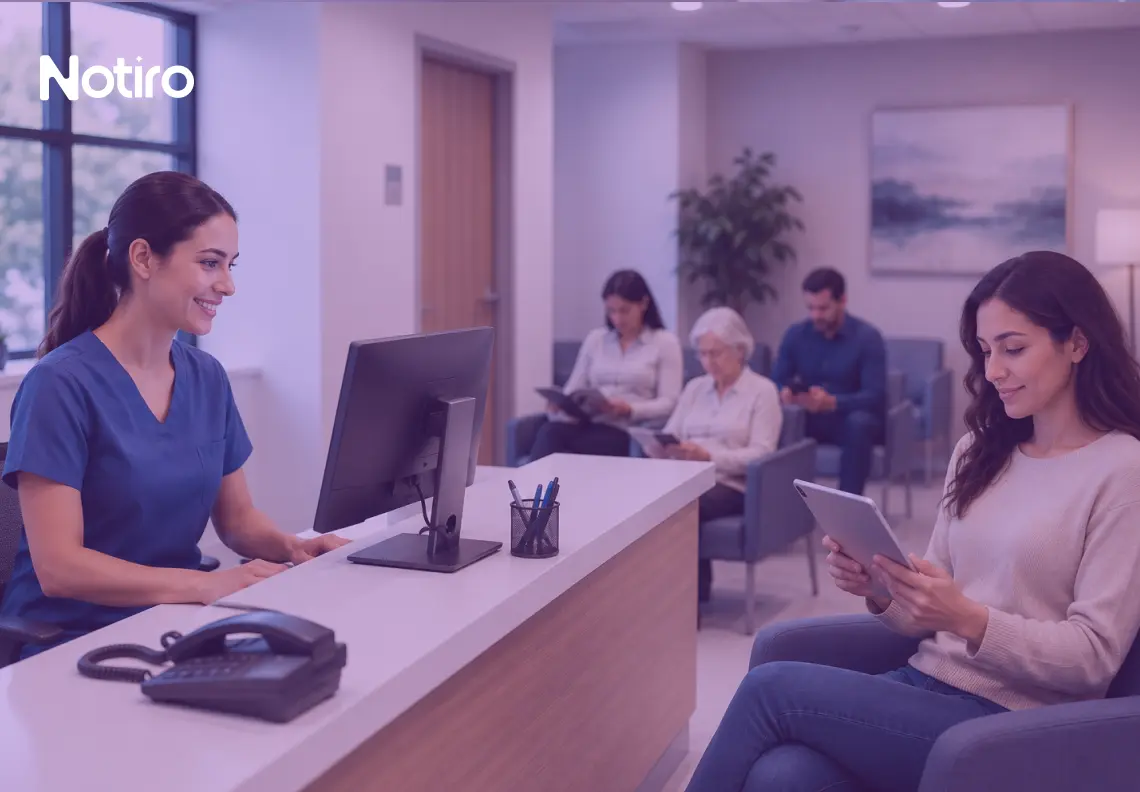
Learn how AI patient intake software reduces wait times, lowers no-shows, improves scheduling efficiency, and supports patient intake automation.

Medical charting is at the center of clinical care, yet it is often treated as a secondary task despite being

The documentation of the doctor-patient visits has shifted from paper charts to digital systems; however, the effort required to document
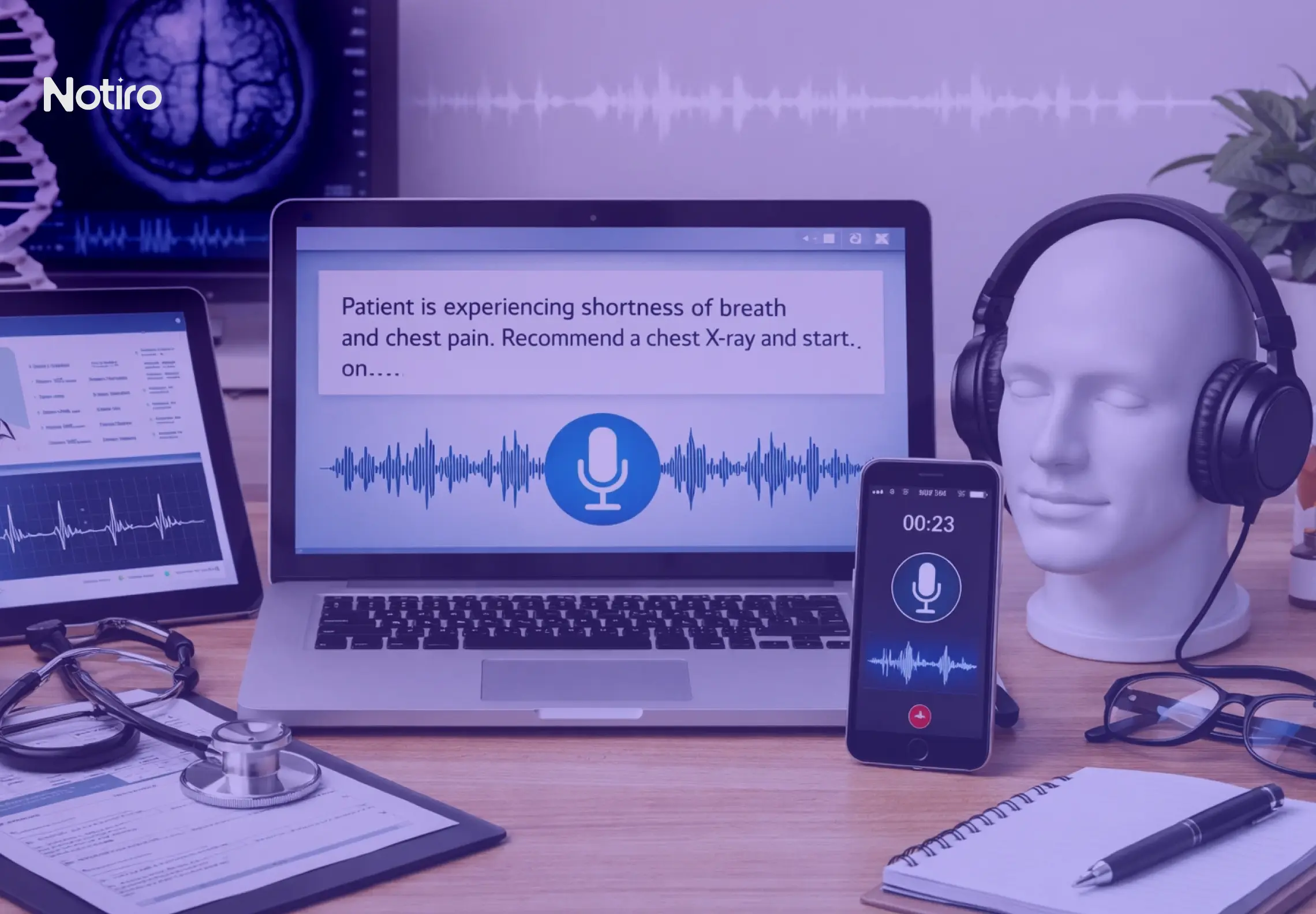
As technology evolves, humans continue to rely on tools to reduce recurring work and preserve their ability to think, analyze,

Digital records were meant to simplify clinical work. As paper charts disappeared, EMR software promised faster access to patient information,
Many healthcare facilities struggle with implementation challenges when adopting speech recognition and AI‑powered documentation tools. Real‑world surveys show that issues
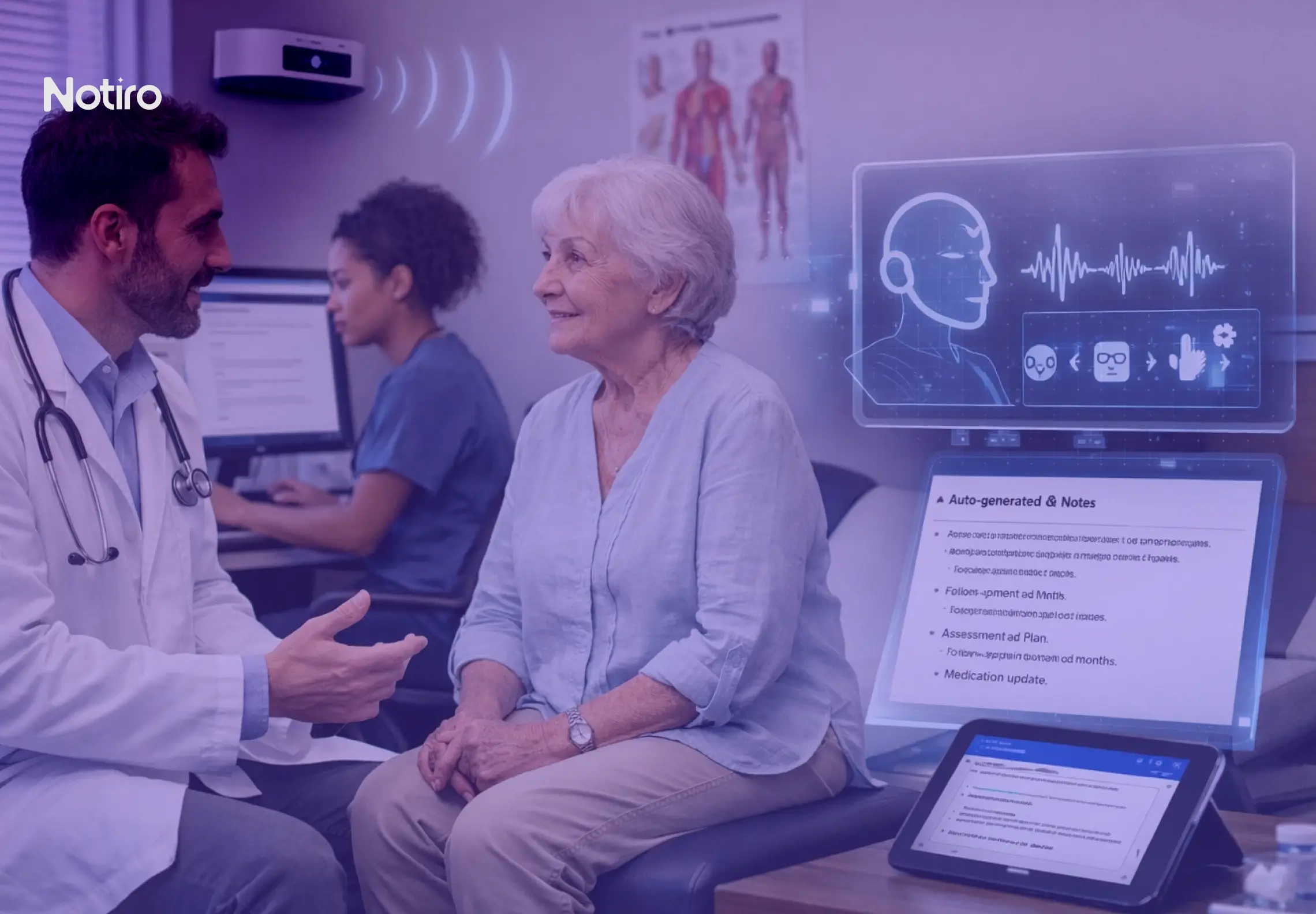
What is Ambient Clinical Intelligence and how does it work in healthcare? Explore its role in automating clinical notes and improving workflow efficiency.

Clinical documentation keeps patient care accurate, compliant, and connected. Learn why it matters, key challenges, and how AI and ambient tools improve workflows.
A practical overview on choosing the right medical transcription software to ensure reliable documentation, smoother workflows, and compliance readiness.

Write clearer SOAP notes without losing the human moment. Use Notiro AI to capture visits, draft notes, review, and approve quickly in your workflows.
Learn why EHR software is healthcare’s shared memory and compliance engine, and how Notiro captures care in real time for cleaner records, less admin.

AI scribes speed up medical notes, but accountability stays human. Learn where AI helps, where it risks errors, and why hybrid review wins with Notiro.
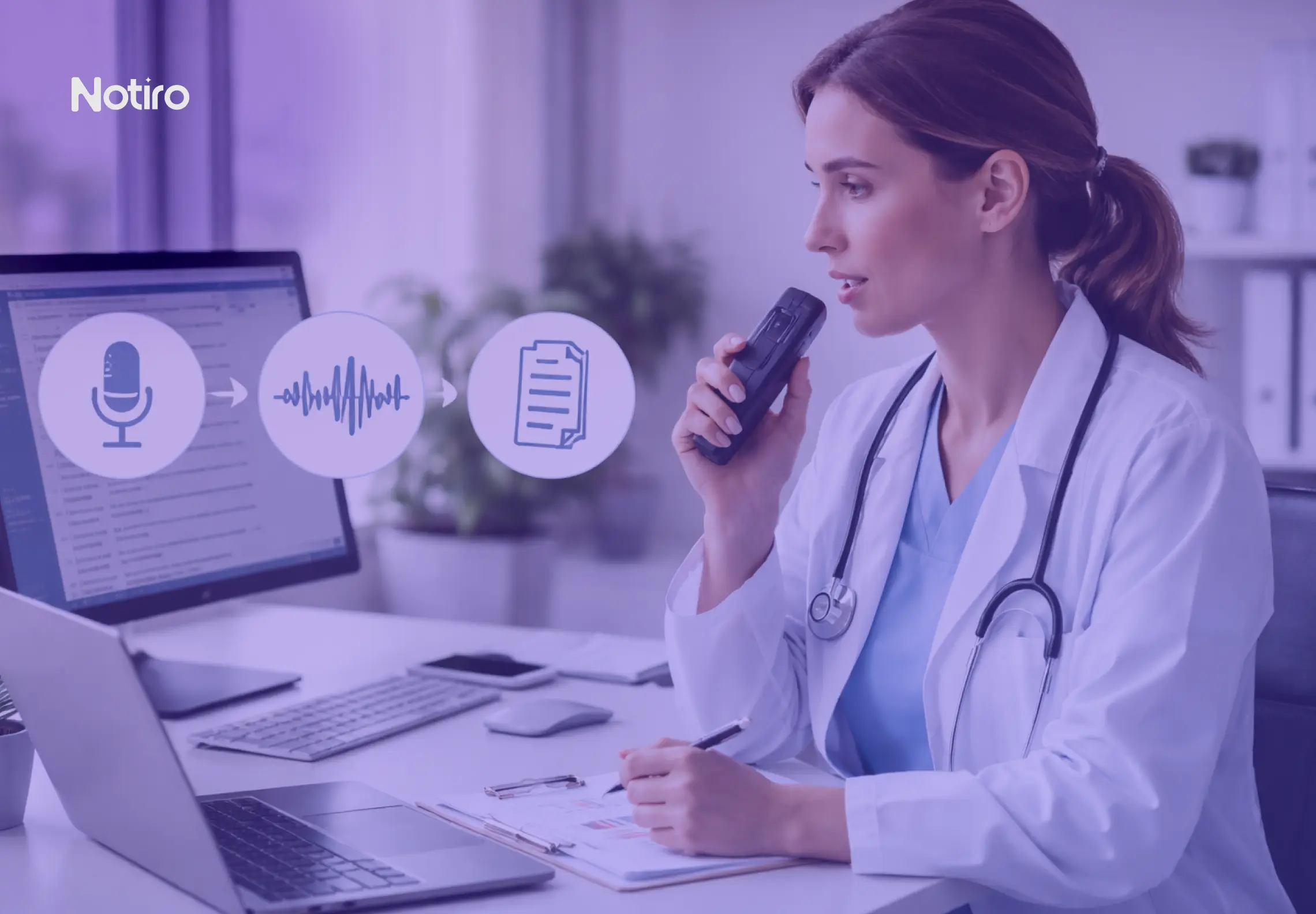
Discover how medical dictation works, its challenges, and how AI-powered solutions like Scribe Medix are transforming healthcare documentation for better efficiency.
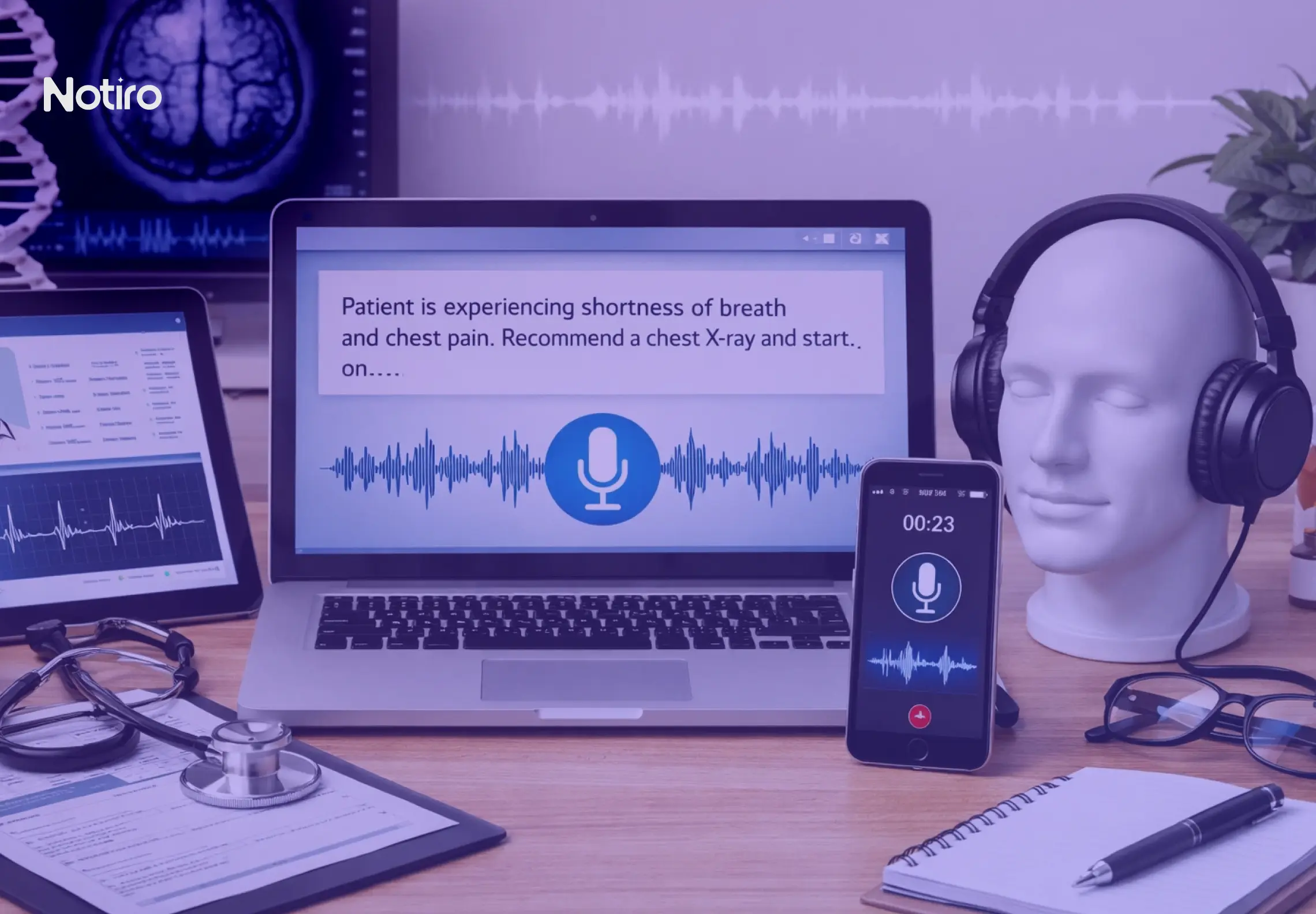
Choose the best medical voice recognition software with a practical checklist: accuracy, EHR integration, compliance, usability, and real clinical workflow fit.

Healthcare documentation shapes care, compliance, and revenue. Learn how better clinical notes, AI medical documentation, and software reduce burden and risk.

Ambient voice technology helps healthcare providers document care automatically by capturing and processing clinical conversations.